
What is Hydro Jetting and Why It’s Better Than Traditional Drain Cleaning
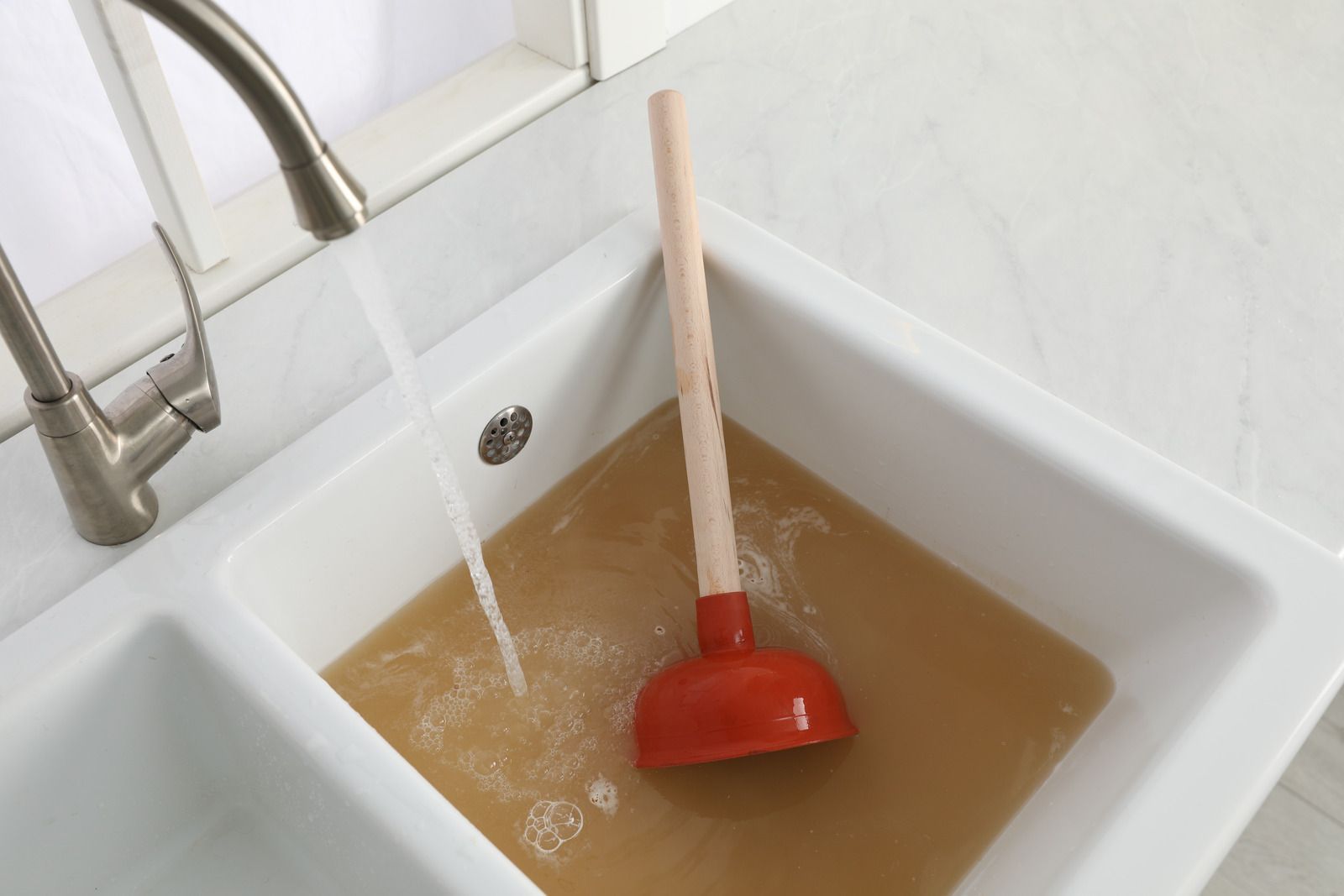
Clogged drains and backed-up pipes are common challenges for both residential and commercial properties. Traditional methods, such as snaking or chemical treatments, often provide temporary relief without addressing the root cause of the blockage. Over time, debris, grease, scale, and mineral deposits accumulate in pipes, leading to recurring clogs, slow drainage, and even structural damage. Hydro jetting has emerged as a modern solution that goes beyond simple maintenance, offering a thorough, efficient, and environmentally responsible approach to drain cleaning.
Unlike conventional methods that rely on mechanical augers or harsh chemicals, hydro jetting utilizes high-pressure water streams to remove obstructions completely. This process not only clears blockages but also cleans the interior surfaces of pipes, reducing the risk of future build-ups. Businesses, property managers, and homeowners increasingly prefer hydro jetting for its long-lasting results, efficiency, and minimal environmental impact. Understanding the technology behind hydro jetting, its advantages over traditional methods, and practical applications helps property owners make informed decisions about maintaining a reliable plumbing system. This blog explores the fundamentals of hydro jetting, highlights why it outperforms conventional drain cleaning, and provides actionable insights to optimize plumbing performance.
How Hydro Jetting Works
The Technology Behind Hydro Jetting
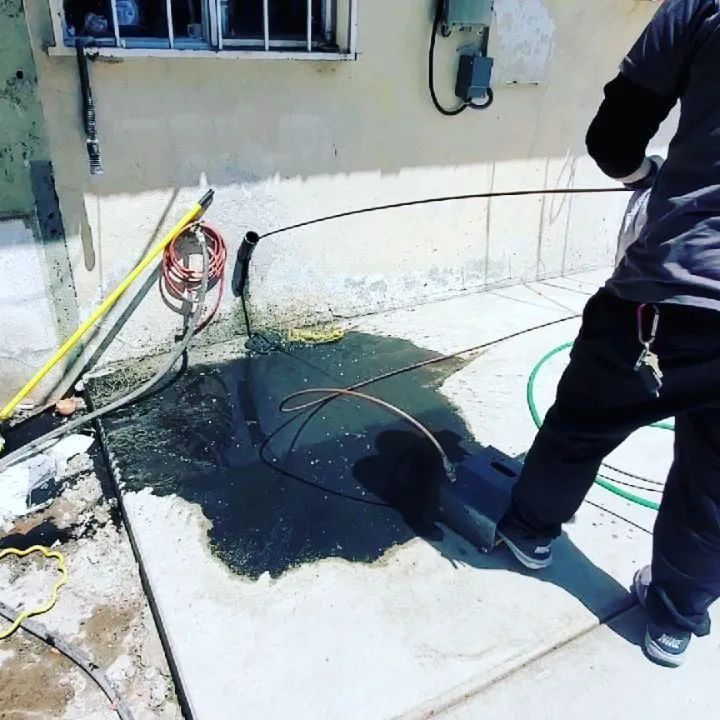
Hydro jetting is a process that uses pressurized water, typically between 1,500 to 4,000 PSI, to clean drains and sewer lines. The water is delivered through a specialized hose equipped with a nozzle designed to cut through grease, mineral deposits, and other obstructions. The force of the water scrapes the interior walls of pipes, dislodging debris and washing it away into the sewer system. Unlike mechanical snaking, which often pushes clogs further down the line, hydro jetting removes blockages entirely, leaving pipes clear and smooth.
Equipment and Safety Considerations
Hydro jetting requires advanced equipment, including a water tank, high-pressure pump, and flexible hose assembly with nozzles suited to various pipe diameters. Proper training is essential to operate the equipment safely and effectively. Overpressurization can damage older or fragile pipes, so assessing pipe condition beforehand is a critical step. Protective gear and careful pressure adjustments ensure optimal results without risking damage or injury.
Real-World Application
Hydro jetting works well in diverse scenarios, from residential kitchens clogged with grease to commercial properties with heavy industrial waste. For example, restaurant kitchens often face recurring blockages due to oil, fat, and food residue. Hydro jetting can restore full flow, prevent recurring issues, and comply with health standards, making it a reliable choice for high-demand environments.
Advantages Over Traditional Drain Cleaning
Comprehensive Cleaning
Traditional snaking methods primarily target a specific obstruction. The auger drills or cuts through the clog, but residual debris often remains on the pipe walls, contributing to future blockages. Hydro jetting eliminates this problem by cleaning the entire pipe surface. The high-pressure water not only removes existing debris but also flushes away sludge, grease, and mineral deposits, leaving pipes virtually clean from end to end.
Long-Term Cost Savings
Although hydro jetting may appear more expensive upfront compared to snaking, it reduces the frequency of recurring clogs, repairs, and emergency plumbing calls. In the long term, property owners save money on maintenance and avoid costly pipe replacements caused by gradual deterioration or chemical damage. Additionally, hydro jetting reduces the reliance on harsh chemical cleaners, which can corrode pipes over time.
Environmentally Responsible
Many conventional drain-cleaning chemicals contain caustic compounds that can harm the environment when discharged into sewer systems. Hydro jetting uses only water, making it an eco-friendly alternative. By avoiding chemical waste and reducing the need for repeated maintenance, hydro jetting supports sustainable plumbing practices while ensuring optimal performance.
Improved Water Flow
Over time, pipes coated with grease and mineral deposits experience reduced diameter and restricted water flow. Hydro jetting restores the pipe’s interior to nearly original dimensions, allowing water to flow freely. This not only prevents slow drainage but also improves the efficiency of appliances, reduces the likelihood of backups, and enhances overall plumbing system performance.
Common Applications of Hydro Jetting
Residential Settings
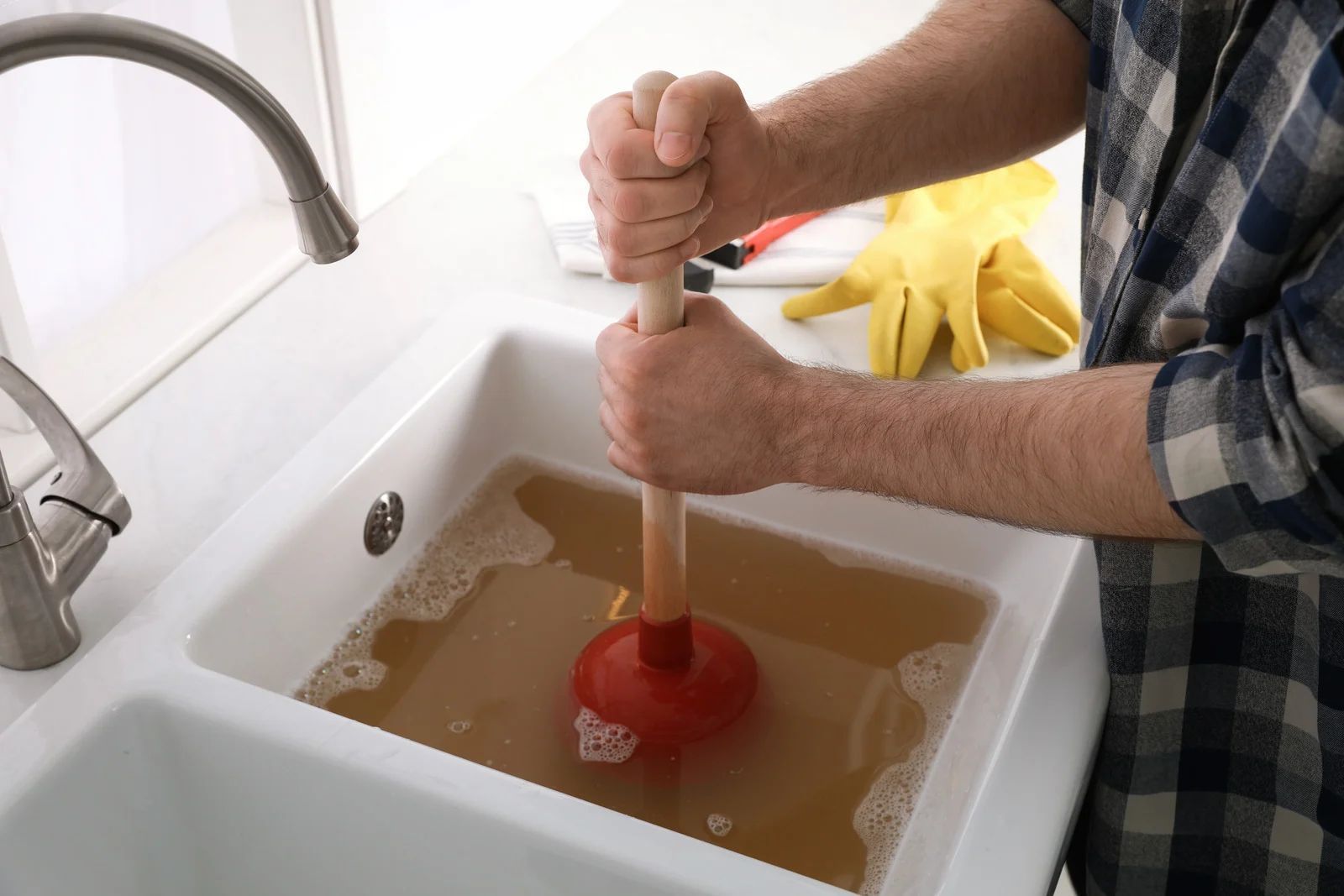
Homeowners often encounter blockages in kitchen sinks, bathroom drains, and main sewer lines. Hydro jetting effectively addresses build-up from hair, soap scum, grease, and small debris. For example, a clogged kitchen line caused by years of oil and grease accumulation can be completely cleared without removing pipes or resorting to chemical treatments. Hydro jetting also provides preventative maintenance by periodically cleaning pipes, extending their lifespan, and reducing the risk of emergency plumbing interventions.
Commercial Kitchens and Restaurants
Restaurants face unique plumbing challenges due to high-volume grease and food waste. Hydro jetting can remove stubborn fat, oil, and grease (FOG) deposits that accumulate in grease traps and drains. By maintaining clear pipes, restaurants comply with health regulations, prevent operational downtime, and reduce the risk of sanitation-related fines. Regular hydro jetting schedules ensure that heavy-use drains function efficiently and reliably, protecting both property and reputation.
Industrial and Municipal Applications
In industrial facilities, pipelines may carry a range of materials, including chemical residues, sludge, or sediment. Hydro jetting provides a non-invasive solution that cleans pipes without dismantling infrastructure. Municipal water and sewer departments also use hydro jetting to maintain sewer lines, prevent backups, and extend the life of city infrastructure. For example, large-diameter sewer lines benefit from hydro jetting as it removes years of sediment and debris that conventional rodding cannot efficiently address.
Challenges and Considerations
Assessing Pipe Condition
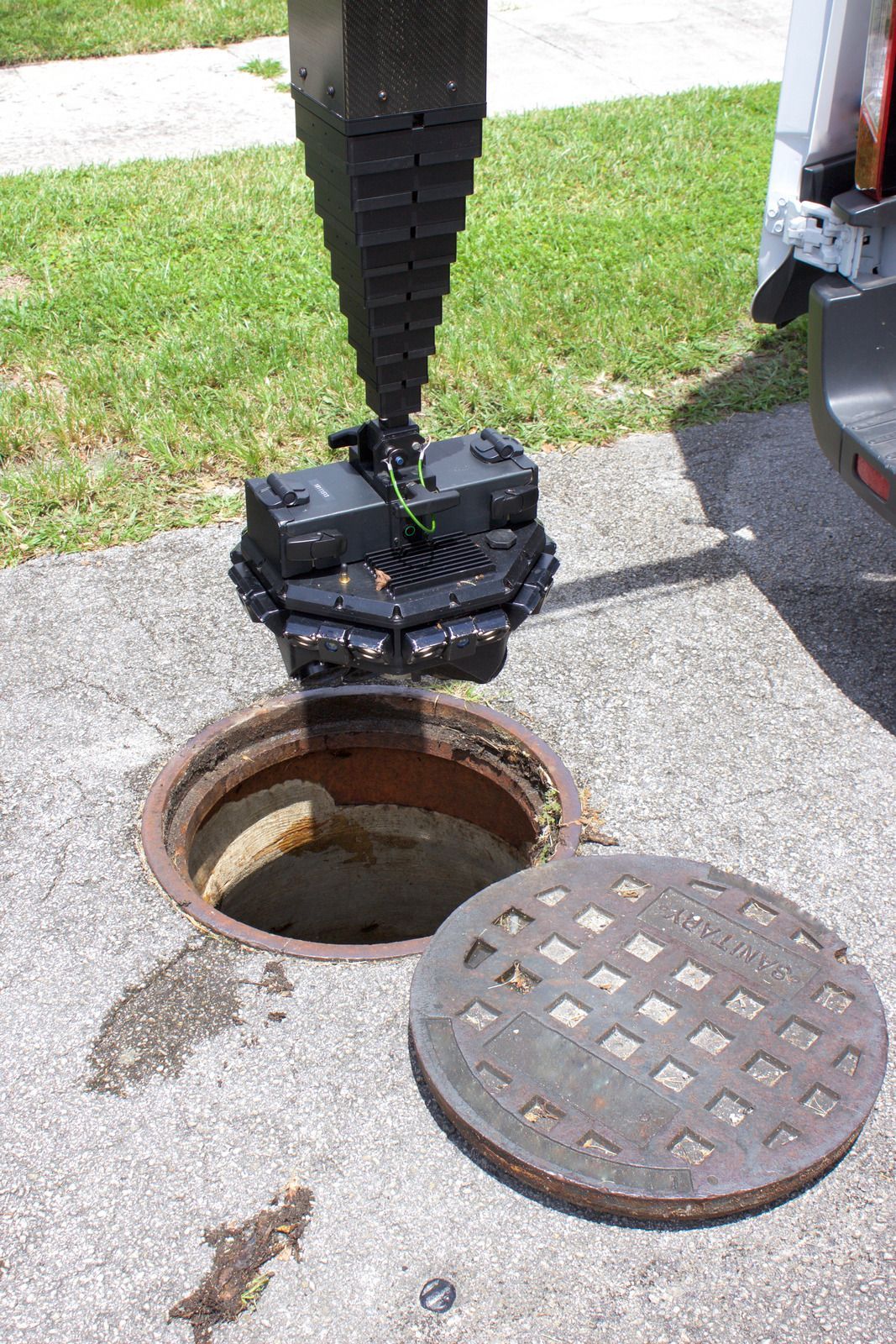
Hydro jetting is highly effective but requires careful assessment of pipe age, material, and integrity. Older clay or cast-iron pipes may be brittle and susceptible to damage under extreme pressure. Pre-inspection with a sewer camera helps identify weaknesses, ensuring the hydro jetting process is safe and effective.
Professional Expertise Required
Operating hydro jetting equipment without training can lead to pipe damage or injury. Professionals adjust water pressure and nozzle type to suit each pipe system. Proper technique ensures thorough cleaning while preserving the integrity of the plumbing system. Attempting DIY hydro jetting without knowledge of pressure settings, nozzle selection, and safety protocols can result in costly mistakes.
Not Always a One-Time Solution
Although hydro jetting is highly effective, regular maintenance may still be necessary for high-use environments. Restaurants or industrial facilities with heavy waste loads may require periodic cleaning to prevent build-up. Establishing a scheduled maintenance plan ensures long-term performance and prevents emergency situations.
Best Practices for Hydro Jetting
Establishing a Routine
Implementing regular hydro jetting schedules for both residential and commercial properties maximizes pipe lifespan and performance. For homeowners, annual or biennial hydro jetting can prevent small clogs from escalating. In commercial kitchens or industrial settings, quarterly or monthly cleaning may be necessary depending on usage.
Using Sewer Camera Inspections
Combining hydro jetting with video inspections allows precise identification of blockages, pipe damage, or problem areas. This approach provides a comprehensive understanding of the plumbing system, enabling targeted cleaning and avoiding unnecessary disruption. Video inspections also help document pipe condition for insurance, property management, or regulatory compliance.
Educating Property Users
Preventing clogs starts with proper use of plumbing systems. Educating staff or residents about what should and shouldn’t enter drains reduces grease, food, and debris accumulation. Hydro jetting complements these practices by removing residual build-up and restoring pipe efficiency.
Professional Maintenance Agreements
Partnering with professional service providers ensures consistent, safe, and efficient hydro jetting. Maintenance agreements often include scheduled cleaning, inspections, and emergency response, providing peace of mind and long-term cost savings. Reliable providers also have access to advanced equipment capable of handling varying pipe sizes and material types.
Real-World Benefits
Enhanced Reliability
Hydro jetting restores full functionality to drains, preventing unexpected backups and disruptions. Businesses can operate smoothly, and homeowners enjoy consistent plumbing performance without recurring blockages.
Cost-Efficient Over Time
Although hydro jetting may involve higher initial investment, it reduces future plumbing expenses. Fewer emergencies, less reliance on chemicals, and extended pipe lifespan make hydro jetting a financially smart solution.
Health and Sanitation Improvements
By removing trapped debris, grease, and organic matter, hydro jetting reduces odor, bacterial growth, and pest risks. This is especially important in food service environments, medical facilities, and high-traffic residential areas, where sanitation standards are critical.
Environmental Advantages
Hydro jetting minimizes chemical usage and decreases the environmental footprint of plumbing maintenance. Water-based cleaning aligns with sustainable practices while providing superior results compared to traditional methods.
Reliable Plumbing Maintenance Through Professional Hydro Jetting
Hydro jetting is a modern, efficient, and environmentally responsible solution for clogged drains and pipe maintenance. Its high-pressure water technology removes grease, sludge, and debris more effectively than traditional snaking or chemical treatments, ensuring cleaner, longer-lasting pipes. Hydro jetting delivers multiple benefits, including improved water flow, cost savings, enhanced sanitation, and compliance with environmental and health standards. By understanding the technology, assessing pipe conditions, and implementing regular maintenance schedules, property owners can optimize plumbing performance and prevent recurring issues.
Advanced Drain Jetting LLC, based in Las Vegas, Nevada, brings 20
years of expertise in
professional hydro jetting and commercial drain cleaning. Our commitment to precision, safety, and lasting results makes us a trusted authority for both residential and commercial plumbing solutions. We combine state-of-the-art equipment, skilled technicians, and a proven track record to ensure each project achieves optimal efficiency. Relying on our experience guarantees thorough, reliable, and cost-effective drain cleaning that preserves pipe integrity and prevents future complications.