
Multiple Drains Backing Up at the Same Time? Why It's the Main Line
Quick Answer: When more than one drain backs up at the same time, the cause is almost never two separate clogs happening by coincidence. Every fixture in your home ties into one main line before it leaves the property, so when the toilet gurgles, the shower fills, and the kitchen sink slows down within the same day, the blockage is downstream of all of them, in the shared main line. Grease and hard-water scale can narrow that line, but tree roots and shifted joints in older pipe are common culprits too. Because a main line backup can push sewage back into your home, this is a call-a-professional-today situation, not a wait-and-see one.
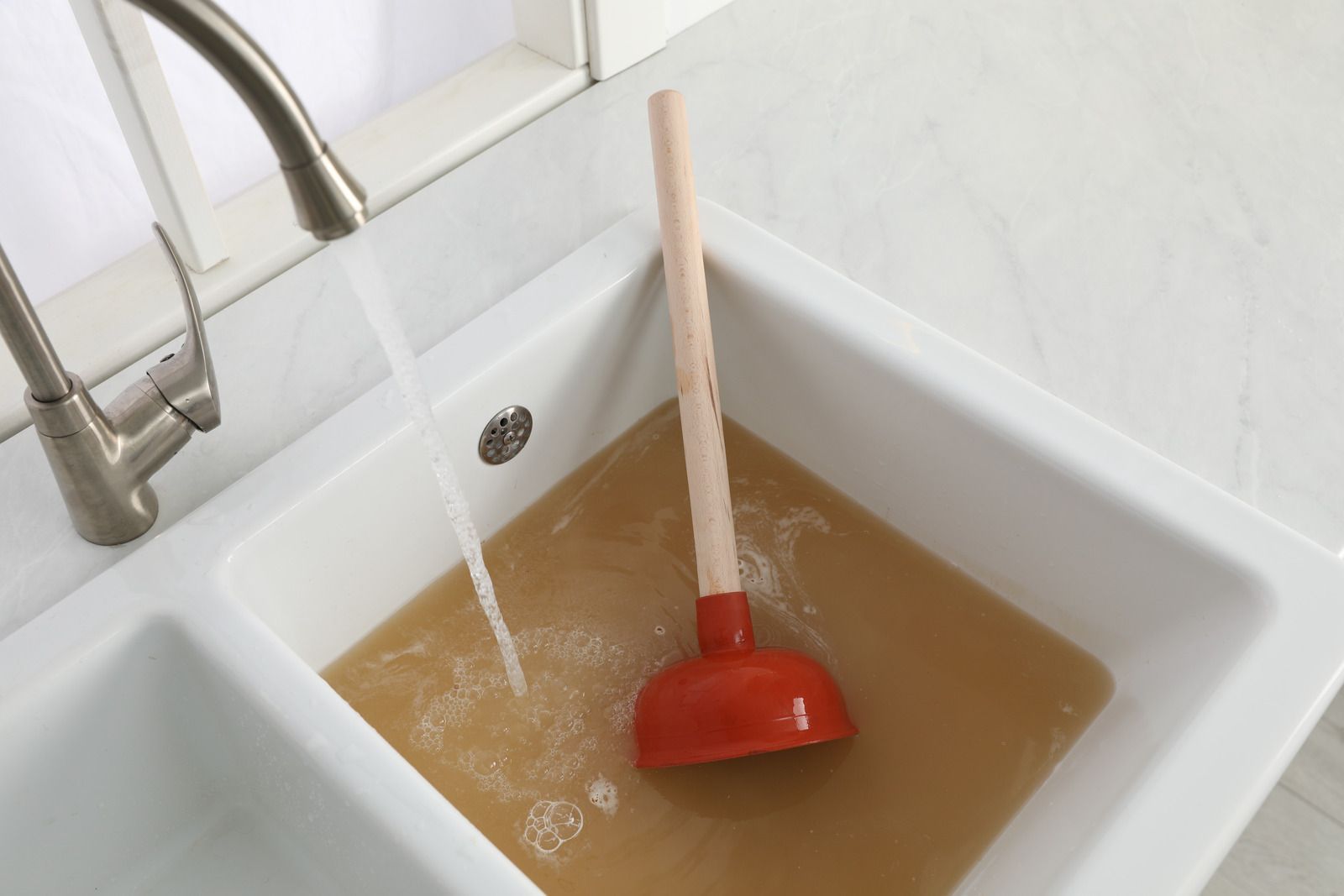
You flushed the toilet and the water rose instead of draining. A few minutes later the shower in the next room started filling from the bottom, and the kitchen sink is now taking twice as long to clear a rinse of dishwater. None of these fixtures share a wall or a pipe run that you can see, so it feels like three unrelated problems happened on the same afternoon. They did not. If two or more drains anywhere in the house are slow, gurgling, or backing up together, the blockage almost always sits in the one line every fixture depends on to leave the property.
That distinction matters. A single slow sink is a nuisance. A main line backup is a plumbing system that has nowhere left to send wastewater, and it will find the lowest, weakest point in your house to push back through.
What It Means When More Than One Drain Backs Up Together
Every toilet, sink, shower, and washing machine in your home has its own branch drain, and every one of those branches eventually joins a single larger pipe, the main line, that carries everything to the municipal sewer or septic system. As long as the main line is clear, each branch drains on its own schedule and a clog in one fixture never touches the others.
One Clogged Branch Stays Isolated
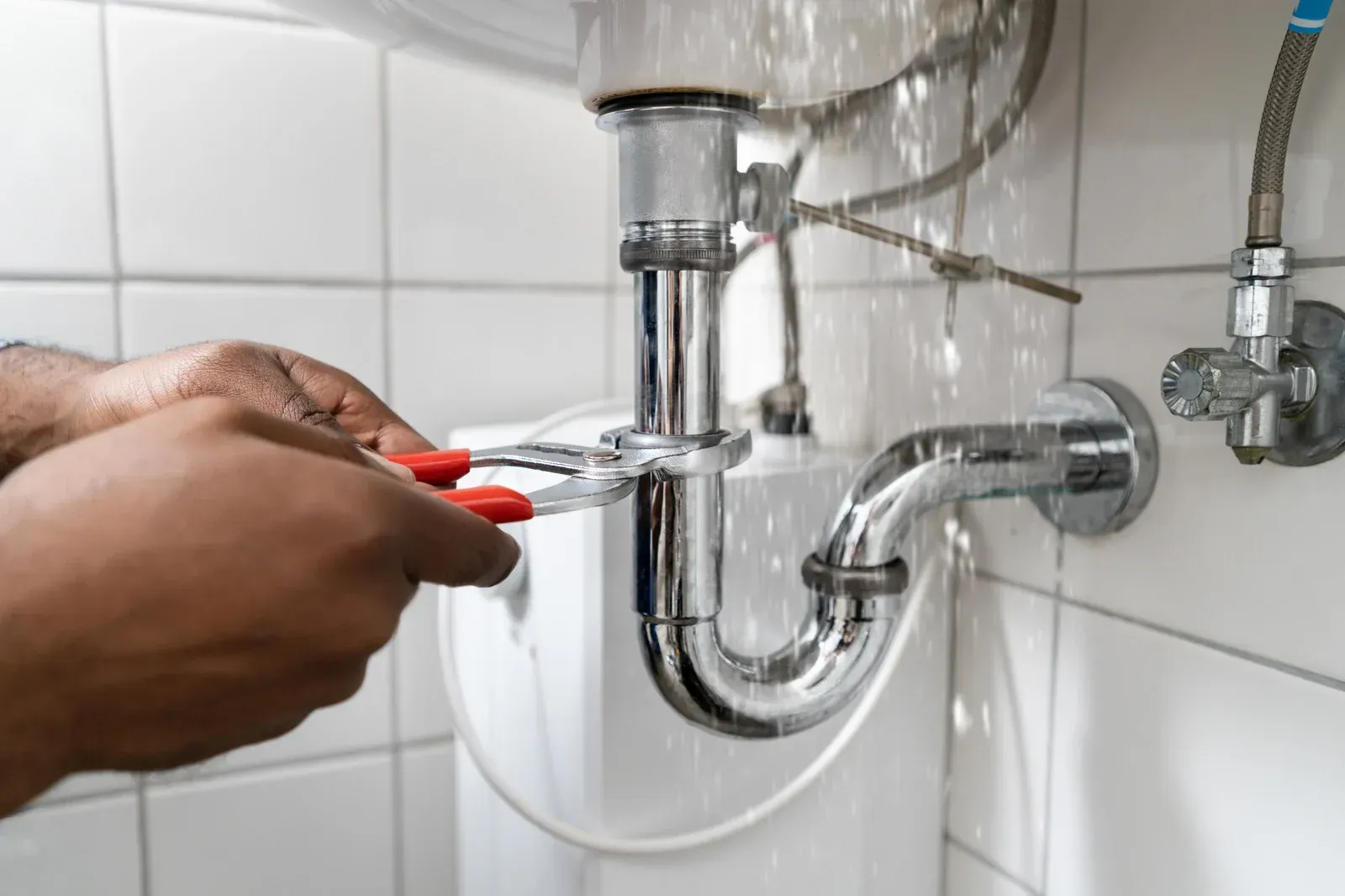
If only the kitchen sink is slow while the bathroom drains normally, the blockage is local to that branch, close to the fixture. That is the kind of clog a plunger or a snake handles in minutes.
A Shared Blockage Shows Up Everywhere at Once
When the toilet, the tub, and a sink all start acting up within the same stretch of time, water from any one of them has nowhere to go because the pipe they all feed into is restricted or blocked. The problem is not three clogs. It is one clog in a line that every other drain in the house depends on.
How Your Home's Drain System Is Built
It helps to picture your drain system the way plumbers do, as a tree. The branches are the individual drain lines running from each sink, tub, shower, and toilet. The trunk is the main line, and it is the only path all of that wastewater has to reach the sewer connection at the street or the septic tank in the yard. Because every branch eventually feeds into that one trunk, a blockage anywhere along the trunk affects every branch upstream of it, no matter how far apart those fixtures are inside the house.
This is why a main line clog rarely announces itself through just one drain. The fixtures closest to the blockage or lowest in elevation, typically a floor drain, a laundry standpipe, or a ground-floor shower, usually show trouble first because they sit closest to where water backs up. Upstairs sinks may lag behind simply because gravity gives them more room before the backup reaches them.
The Specific Clues That Point to the Main Line
A few patterns are close to diagnostic on their own. In our experience, recognizing them tells you what you're dealing with before a technician ever arrives.
The Toilet-Shower Trade-Off
You flush the toilet and, instead of draining normally, water rises in the bathtub or shower instead. This happens because the toilet is pushing a large volume of water into a main line that is already restricted, and the blockage forces that water to find the next lowest opening, which is often the tub drain.
Washing Machine Woes
A washing machine dumps several gallons at once during its drain cycle, more water in a shorter burst than almost any other fixture. If that discharge causes the nearby toilet to bubble or a utility sink to overflow, the main line is already struggling to keep up with normal use, and a big surge is exposing it.
Ghost Flushes And Gurgling With Nothing Running
If the toilet's water level rises and falls on its own, or you hear bubbling from a drain when no fixture is in use, trapped air is escaping past a blockage somewhere in the line. That sound is the system telling you it cannot vent normally.
Multiple Slow Drains With No Obvious Link
A kitchen sink, a bathroom vanity, and a tub that are all slow at the same time, in different parts of the house, are rarely a coincidence. When fixtures that share no visible pipe run all slow down together, the one thing they do share is the main line.
Tip: Note which fixture backs up first and which one is lowest in the house, such as a basement floor drain, garage drain, or ground-floor shower. That detail helps a technician narrow down roughly where along the main line the obstruction sits before the camera even goes in.
What's Actually Narrowing the Main Line in This Valley
A handful of causes account for most main line blockages, and a few of them are more common here than in other parts of the country.
Grease And Hard-Water Scale Build Up Along The Whole Run
Fats and oils that make it past kitchen and bathroom branches do not disappear once they reach the main line. They coat the pipe wall the same way they coat a branch line, and in a valley with unusually hard water, mineral scale adds to that narrowing layer year after year, gradually shrinking the diameter of the pipe until normal daily flow can no longer keep up.
Tree Roots Exploit Joints And Cracks That Already Exist
Roots do not drill through solid pipe. They follow moisture escaping through an existing joint, hairline crack, or small gap, then wedge into that opening and expand, catching paper and debris until the line is partially or fully blocked. Older clay and cast iron sewer lines, common across many neighborhoods in the valley, have more joints and more age-related cracking than modern PVC, which is exactly why root intrusion shows up so often in homes built decades ago.
Sagging Or Bellied Sections Trap Waste Even Without A Hard Blockage
Ground settling around a foundation, more of an issue on slab construction and shifting desert soil, can leave a low spot in the main line where solids collect instead of moving through. Over time that low spot works like a slow-motion clog, catching more debris with each use until flow through it stops almost entirely.
Not every main line problem announces itself the same way twice. A grease-and-scale clog tends to build gradually, with drains getting slower over weeks. But a root intrusion or a sagging section can go from fine to a full backup fast, especially after a heavy-use day like laundry or a gathering.
Warning: Do not run a store-bought chemical drain cleaner down a fixture when multiple drains are backing up. Chemical cleaners are built for a single localized clog, not a shared main line, so they rarely reach or clear the actual blockage. Left sitting in a line that is already backed up, they can damage older pipe and create a hazardous mix for whoever opens the line next, including a technician.
Why This Is a Now Problem, Not a Later Problem
A main line backup is different from a slow sink in one important way: it can push sewage backward into your home through the lowest drain instead of carrying it away. Every hour the blockage sits there, more water and waste is moving toward that same restricted point. The next heavy use, a load of laundry, a full shower, a dishwasher cycle, can be what finally forces a backup through a floor drain or a tub. Waiting to see if it clears on its own usually means finding out the hard way that it did not.
That's not scare talk. It's just how a shared pipe behaves once its one exit is restricted.
How the Main Line Gets Diagnosed and Cleared
Because the main line is buried and the true cause is not visible from inside the house, guessing at a fix wastes time on a system that has nowhere left to send wastewater.
A Camera Inspection Shows Exactly What Is Happening Underground
A waterproof camera on a flexible cable travels through the main line and sends a live picture to a monitor, showing whether the trouble is grease and scale coating the pipe, roots pushing through a joint, or a bellied section holding standing water. That footage tells the technician precisely where the obstruction sits and what caused it, instead of clearing the same clog repeatedly without addressing why it keeps coming back.
Hydro Jetting Clears The Full Width Of The Line, Not Just A Channel Through It
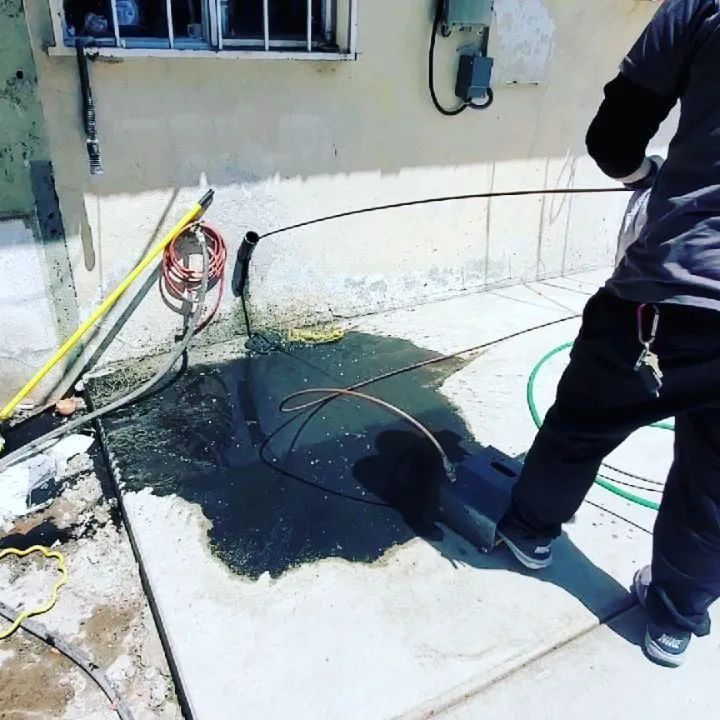
Once the camera identifies the problem, a high-pressure water jet scours the entire interior surface of the pipe, cutting through grease, scale, and root growth and restoring the line closer to its original diameter. For roots specifically, jetting clears the growth back out of the pipe, and the camera footage helps confirm whether the joint or crack that let the roots in also needs a structural repair.
Frequently Asked Questions
Why do the toilet and shower both act up when only the toilet was flushed?
A toilet flush sends significant water into the main line. When restricted, water backs up toward the lowest opening, often the shower or tub, signaling a possible main line blockage.
Could this just be a coincidence of two clogs happening at once?
Two separate clogs can happen simultaneously, but it is unlikely. When unrelated fixtures back up together, the shared main line is usually restricted because every household drain eventually connects there.
Is a main line clog always caused by tree roots?
No. Tree roots are one possible cause, especially with older pipes. Grease, mineral scale, debris, damaged joints, and sagging pipe sections can also restrict flow and cause recurring main line backups.
Can I clear a main line clog myself with a store-bought drain snake?
Store-bought drain snakes usually lack the reach and power required for main lines. They may create a temporary opening but cannot thoroughly remove heavy scale, grease, roots, or structural obstructions effectively.
How urgent is a main line backup compared to a single slow drain?
A main line backup is considerably more urgent because wastewater from the entire home cannot drain properly. Continued water use can force sewage through lower fixtures, potentially causing contamination and property damage.
Will the main line clog just come back after it's cleared once?
That depends on the underlying cause. Hydro jetting can thoroughly remove grease and scale, but roots, damaged joints, or sagging pipes may cause recurring blockages unless the structural problem is properly repaired.
Getting Every Drain Flowing Smoothly Again
Multiple drains backing up at once usually means the problem sits deeper than any individual fixture. Grease, mineral scale, invasive tree roots, or a sagging section can restrict the shared main line and prevent wastewater from leaving normally. Recognizing the warning signs early can help prevent sewage from reaching the lowest drains in the home. With 20 years of experience serving Las Vegas, NV, Advanced Drain Jetting LLC understands how quickly these shared drainage problems can disrupt a property.
A camera inspection can reveal exactly where the restriction is and what is causing it, allowing the right clearing method to be chosen instead of relying on guesswork. Hydro jetting can then remove stubborn buildup and debris across the pipe interior, while structural problems may require additional repair. Addressing the underlying cause rather than temporarily opening a small passage helps restore dependable drainage throughout the property and reduces the likelihood of repeated backups, leaving every connected fixture flowing properly again.