
Common Residential Drain Problems and How to Spot Them Early
Residential plumbing systems are essential for maintaining a clean, safe, and functional home environment. Drains, in particular, play a critical role by directing wastewater away from sinks, showers, tubs, and toilets to the main sewer line. However, despite their importance, drains often receive minimal attention until a noticeable problem arises. When left unchecked, minor drain issues can escalate into costly repairs, water damage, or even structural complications. Homeowners who understand common drain problems and how to identify them early can save both money and stress, ensuring their plumbing system operates efficiently. Moreover, well-maintained drains help prevent hygiene issues, reduce the risk of unpleasant odors, and contribute to overall home comfort. In addition, addressing problems early preserves the integrity of the piping system and reduces the likelihood of disruptive emergency repairs that can affect daily routines.
Recognizing drain problems early requires awareness of subtle warning signs, knowledge of typical causes, and prompt action when issues arise. From slow drainage to foul odors, homeowners have multiple indicators that something may be obstructing the flow of water. By addressing these problems at the earliest stages, it is possible to prevent blockages from worsening, avoid major plumbing emergencies, and extend the lifespan of pipes. Homeowners who adopt preventive habits and schedule regular maintenance can also improve water efficiency and avoid unnecessary stress. Understanding the behavior of residential drains allows for timely interventions, whether through simple DIY measures or professional assistance, and ultimately ensures the plumbing system continues to function safely and reliably.
1. Slow Drains
Common Causes of Slow Drains
Slow drains are among the most frequent issues homeowners encounter. They often result from the accumulation of hair, soap scum, grease, or food particles within pipes. Over time, these materials create a partial blockage that restricts water flow. Other contributing factors include mineral deposits from hard water, aging pipes with internal corrosion, or improper pipe slopes that impede drainage.
Early Warning Signs
Homeowners may notice water pooling in sinks, bathtubs, or shower floors. Slow-draining kitchen sinks are often accompanied by unpleasant odors, while bathroom drains may gurgle or emit a faint sewer smell. If multiple drains in the home are draining slowly, this may indicate a blockage in the main sewer line rather than an individual fixture.
Prevention and Solutions
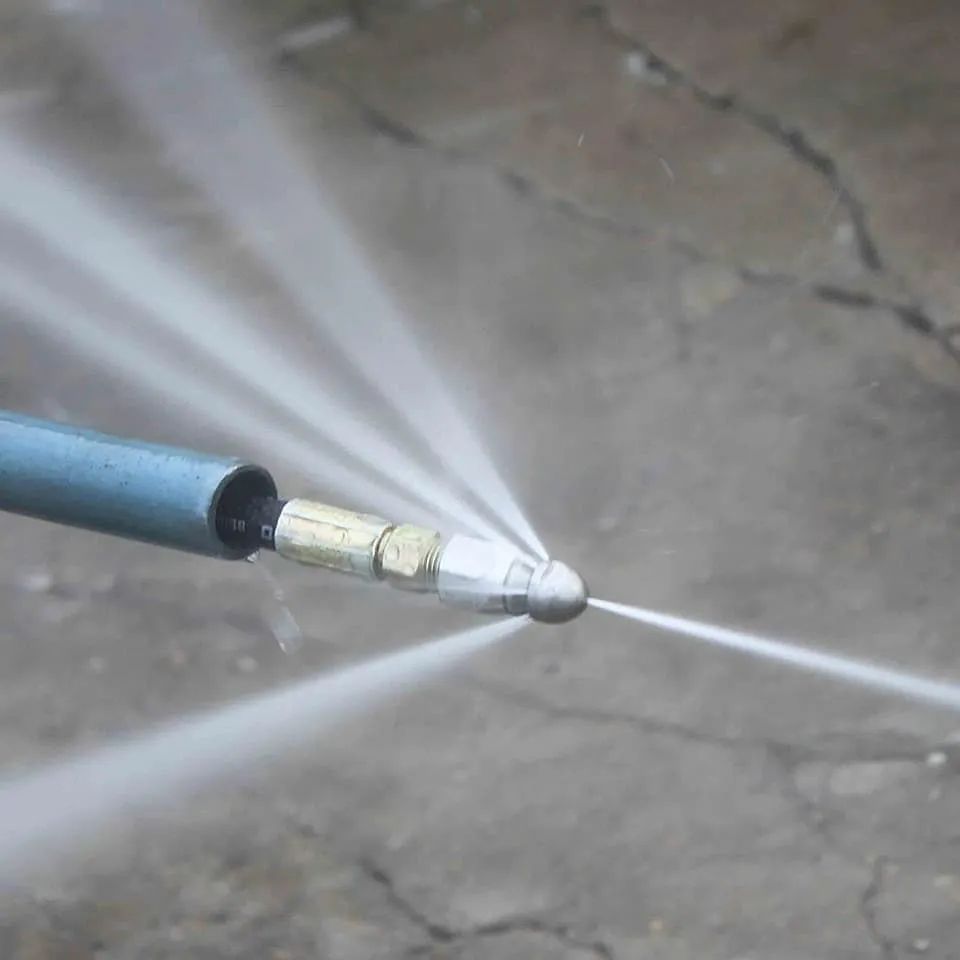
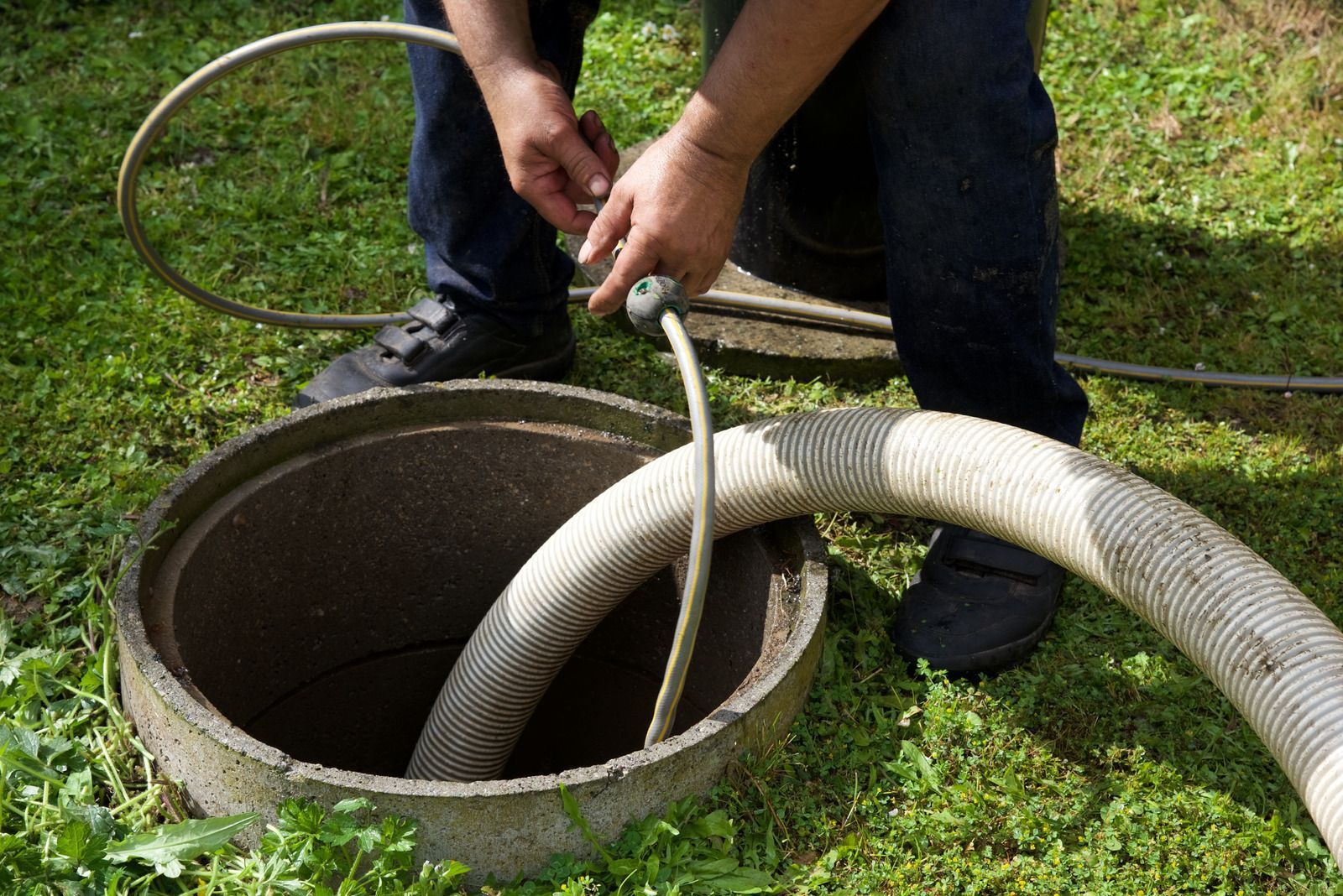
Routine maintenance is essential to prevent slow drains. Using drain strainers, avoiding grease disposal down sinks, and periodic flushing with hot water can help reduce buildup. For persistent slow drains, professional hydro jetting or snaking services are often necessary to remove debris and restore proper flow. Early detection can prevent the escalation of minor clogs into more severe obstructions.
2. Clogged Drains
Causes of Severe Clogs
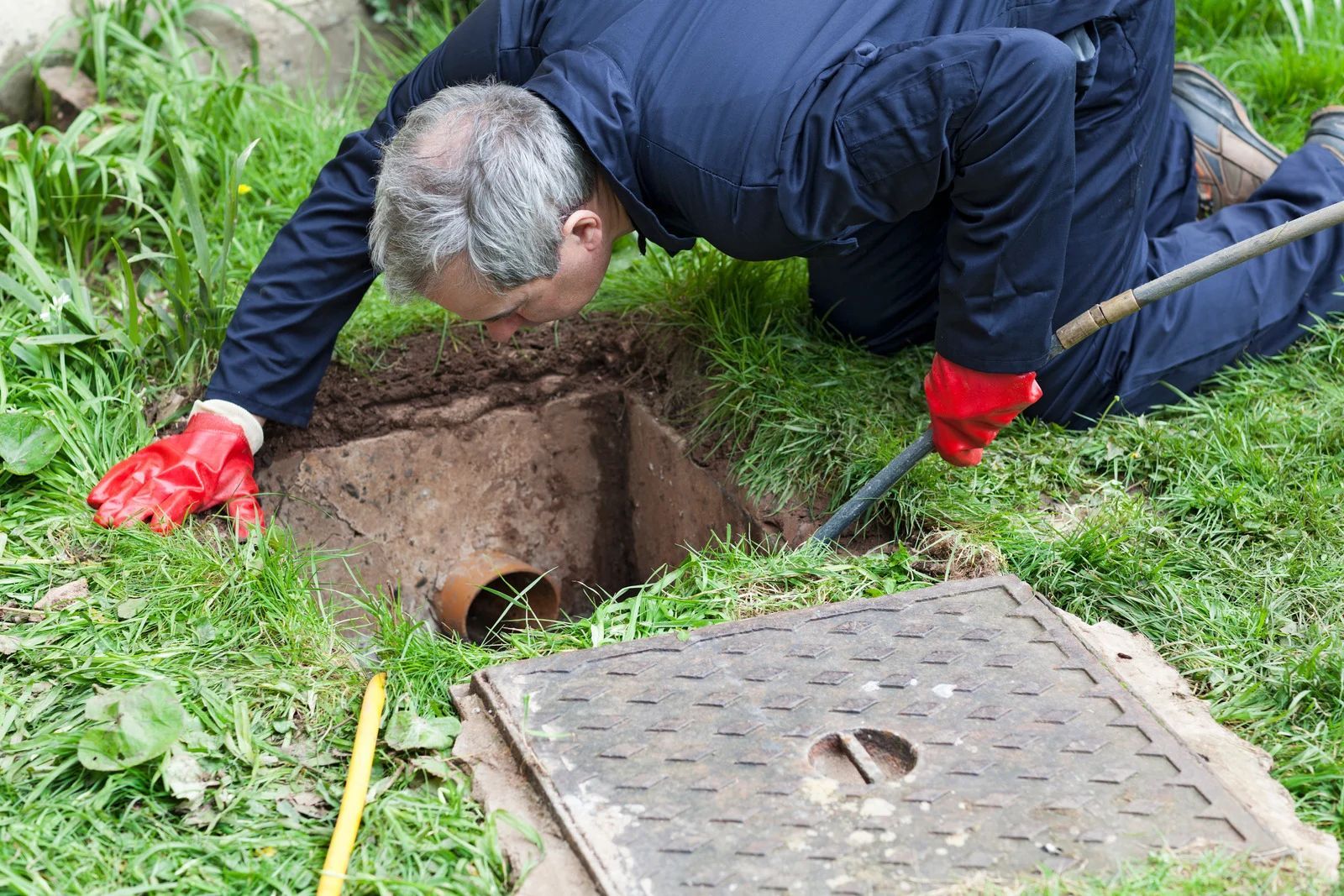
Clogged drains represent a more serious progression from slow drains. Common causes include hair accumulation in bathroom drains, grease solidifying in kitchen pipes, and foreign objects accidentally flushed down toilets. Tree root intrusion into underground pipes can also lead to major blockages, particularly in older homes.
Identifying a Clogged Drain
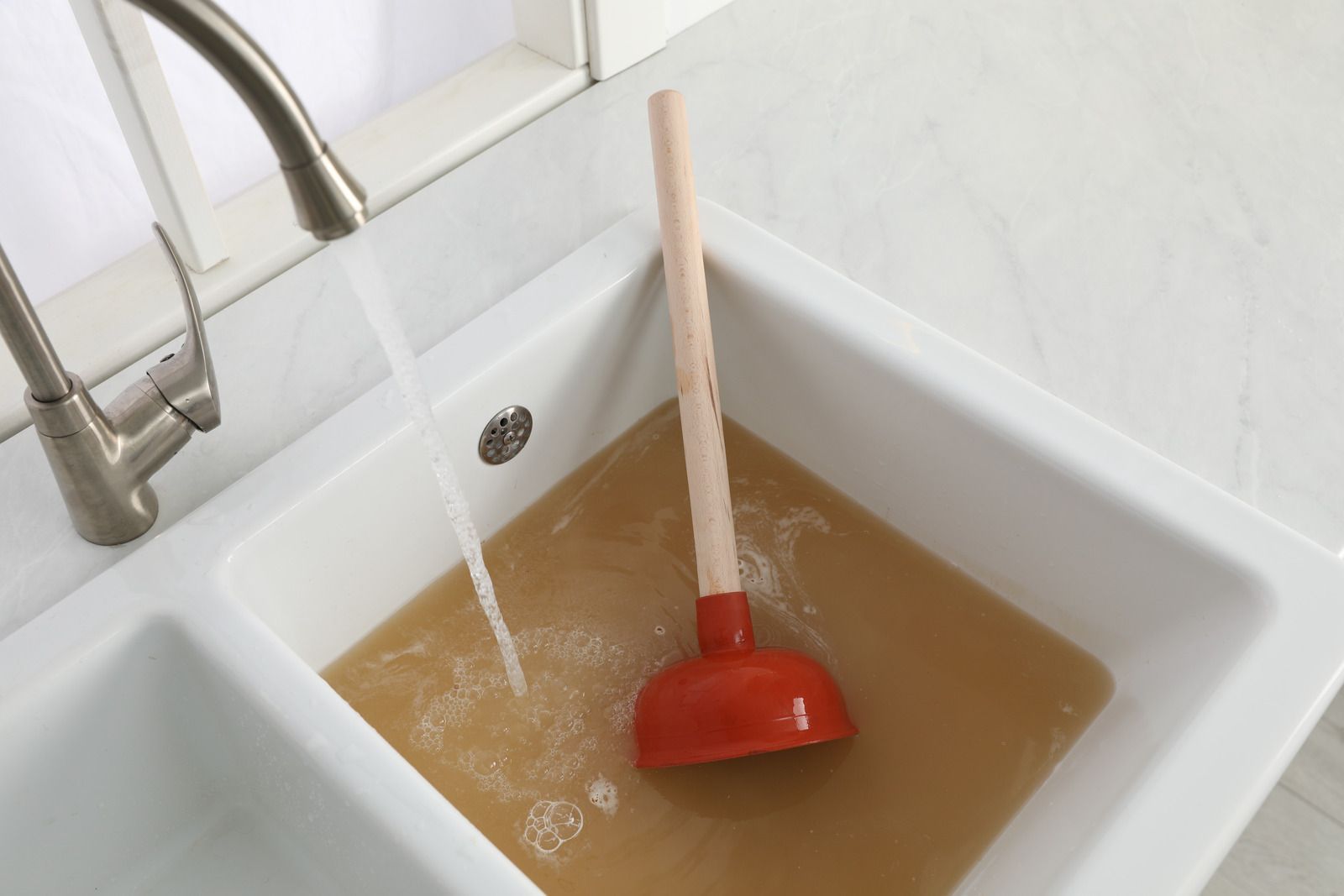
Symptoms of a clogged drain are more pronounced than slow drainage. Water may back up into sinks, showers, or toilets, sometimes spilling onto floors. Unusual gurgling sounds in pipes, foul odors, or a sudden complete stoppage of drainage are clear indicators.
Addressing Clogs
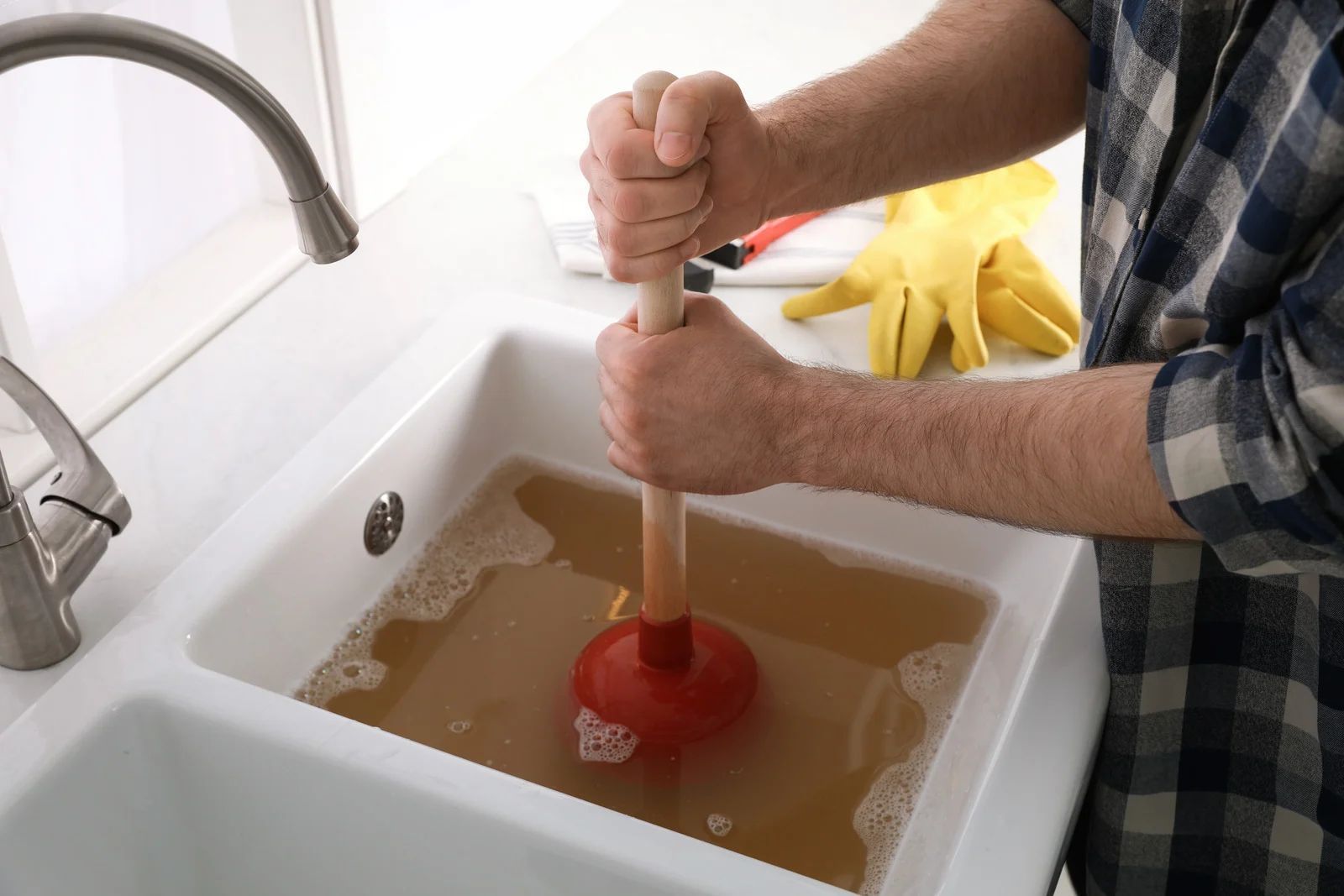
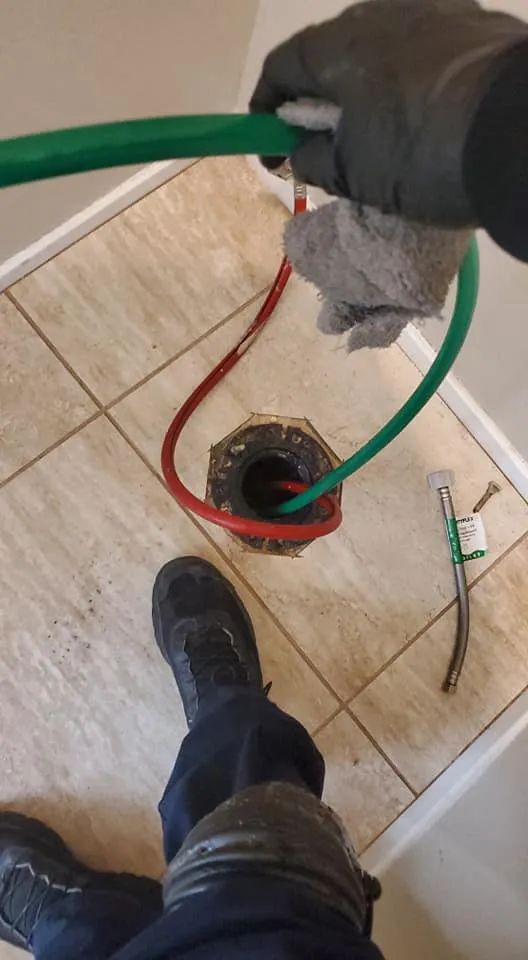
Homeowners can attempt minor clogs with a plunger or hand auger, but professional intervention is recommended for stubborn blockages. Advanced drain cleaning techniques, including high-pressure water jetting, can remove even the most stubborn obstructions, restoring normal drainage and preventing pipe damage. Timely attention is critical to avoid water damage or sewer backups.
3. Foul Odors from Drains
Understanding the Source
Foul odors are often a symptom of stagnant water, trapped debris, or sewer gas escaping through faulty traps. Bathroom drains can collect hair and soap scum, while kitchen drains are prone to grease buildup and decomposing food particles. If left untreated, these odors can indicate more significant issues such as leaking pipes or damaged vent stacks.
Early Detection
Homeowners may notice recurring, unpleasant smells from sinks, showers, or floor drains even after cleaning. The odor may intensify during warm weather or after using multiple fixtures simultaneously. Persistent smells should never be ignored, as they may point to hidden plumbing issues.
Preventive Measures
Regular cleaning of drain traps, using enzyme-based cleaners, and flushing drains with hot water can reduce the buildup of odor-causing materials. Ensuring that P-traps remain filled with water also prevents sewer gases from entering living spaces. For ongoing or severe odor issues, a professional inspection can identify and correct underlying plumbing faults.
4. Pipe Leaks and Water Damage
Common Causes of Leaks
Leaking pipes can occur due to corrosion, high water pressure, improper installation, or physical damage. In residential systems, leaks may develop gradually, leading to unnoticed water accumulation inside walls, under floors, or beneath sinks. Even minor leaks can promote mold growth, structural weakening, and costly repairs if left unaddressed.
Warning Signs to Watch For
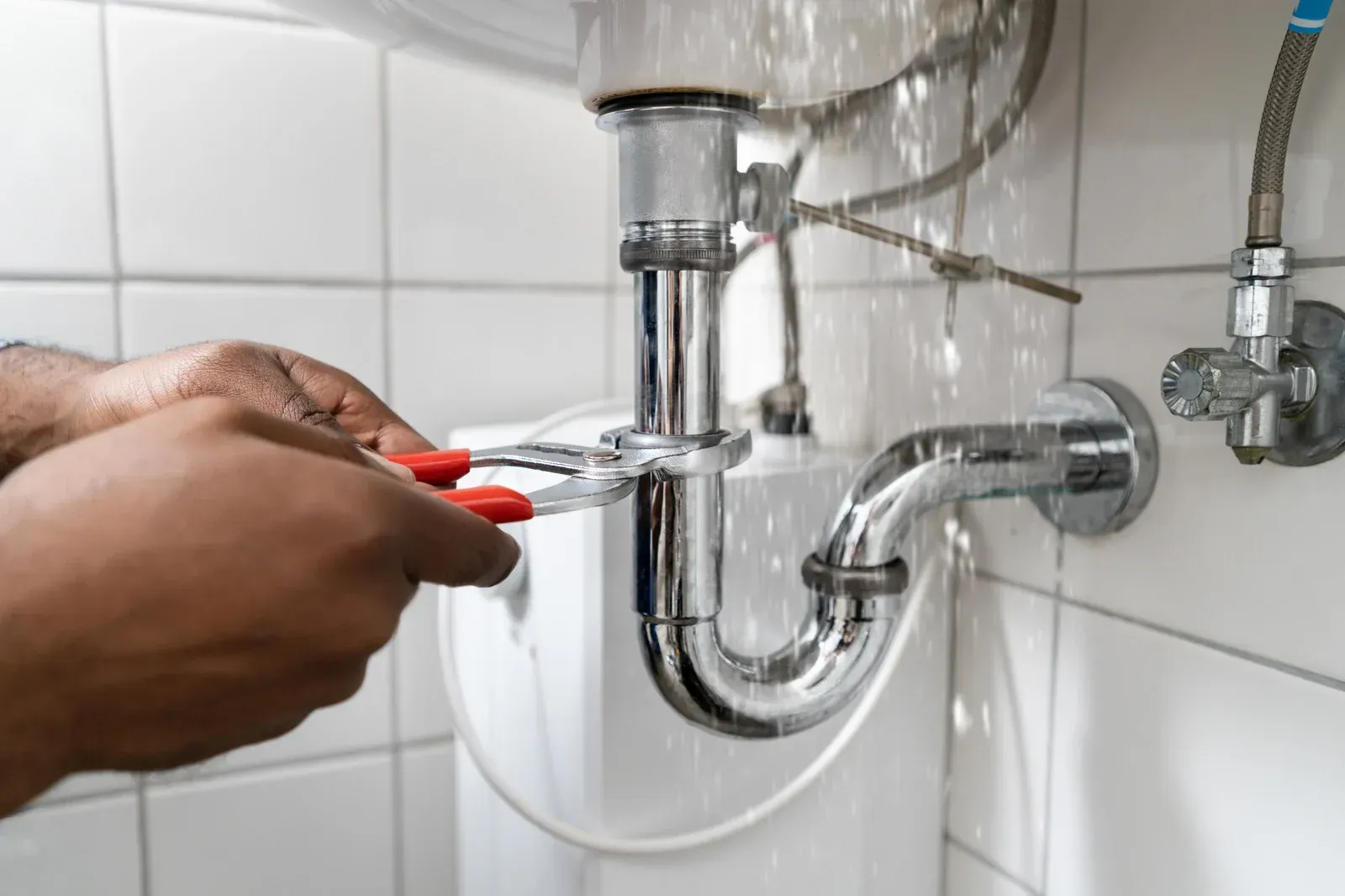
Indicators of hidden leaks include water stains on ceilings or walls, damp spots on floors, unusual mold or mildew growth, and unexplained spikes in water bills. Drips or puddles under sinks, along with the sound of running water when no fixtures are in use, are additional warning signals.
Solutions and Best Practices
Routine inspections of visible pipes, joints, and fittings can help detect leaks early. For hidden leaks, thermal imaging and moisture detection technology can identify problem areas before major damage occurs. Professional plumbers can repair or replace compromised sections, restore proper pressure, and prevent further deterioration. Prompt action is critical to avoid extensive damage and preserve home value.
5. Sewer Line Issues
Causes of Sewer Line Problems
Sewer line problems often result from tree root intrusion, soil shifting, corrosion, or blockages caused by foreign objects accidentally flushed down toilets or sinks. Older homes with clay or cast iron pipes are especially susceptible to these issues over time. Unlike fixture-level clogs, sewer line issues can affect multiple drains throughout the home simultaneously, potentially disrupting normal plumbing function in several areas.
Early Warning Signs
Backups in multiple fixtures, slow drainage across the house, persistent odors, gurgling sounds, or sewage seepage in basements are all clear indications of sewer line problems that require immediate attention. Ignoring these signs can lead to extensive water damage, costly repairs, and potential health hazards due to exposure to raw sewage.
Preventive Measures and Solutions
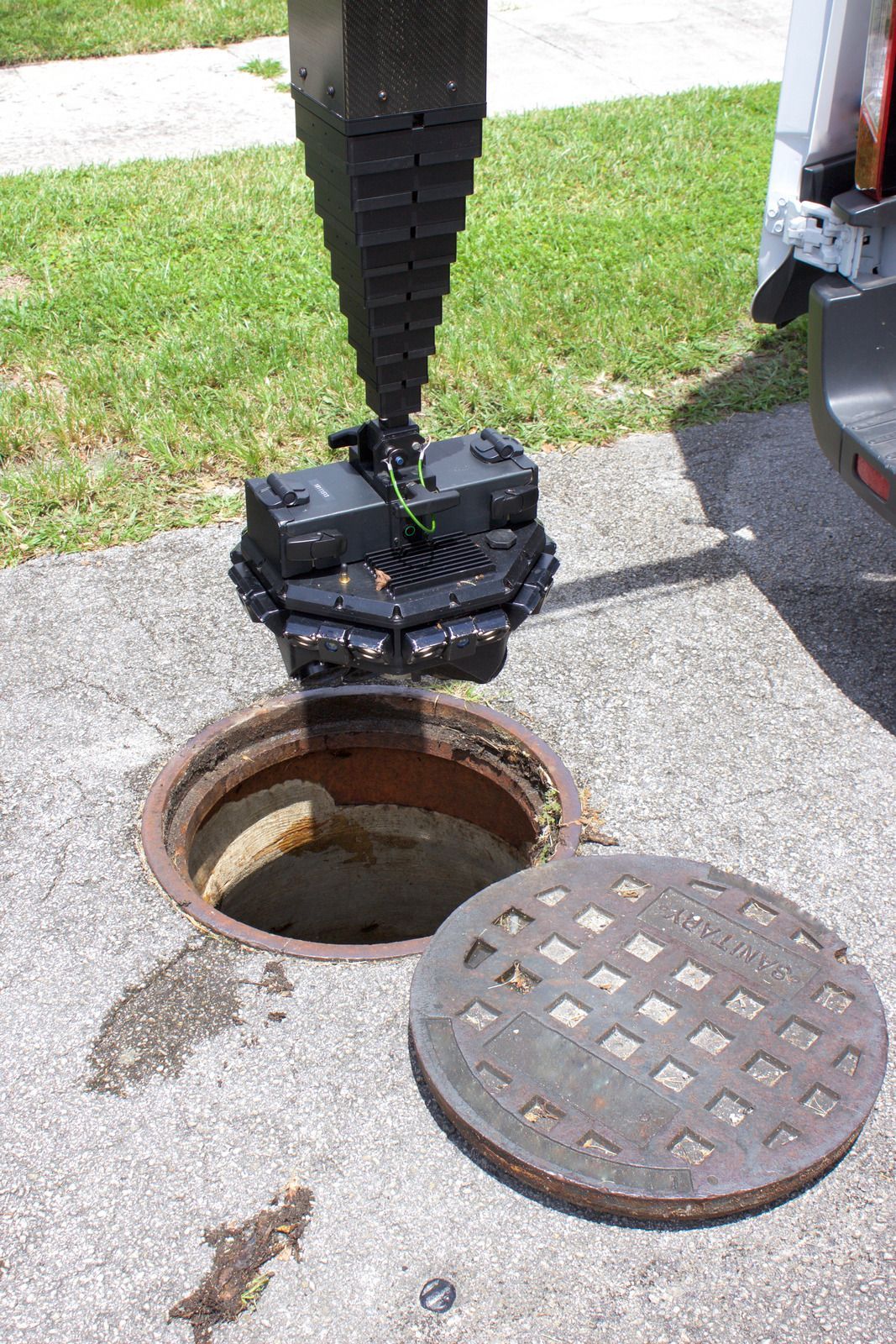
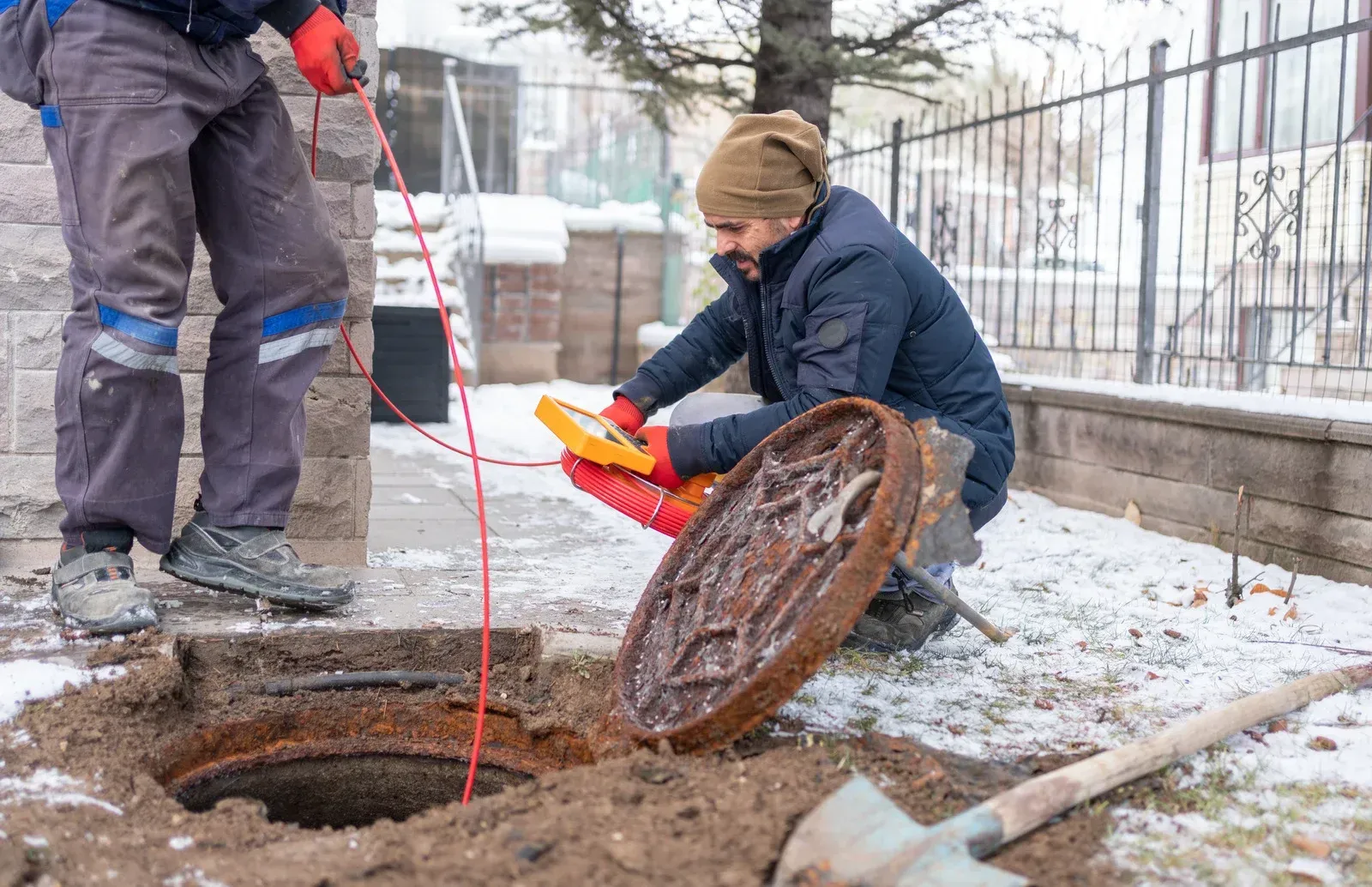
Homeowners can schedule regular sewer line inspections using video camera technology to identify cracks, blockages, or root intrusion before emergencies occur. Preventing tree roots from encroaching on sewer pipes, avoiding flushing foreign objects, and addressing minor issues promptly can significantly reduce the risk of major line failures. Professional cleaning and repair solutions, including trenchless pipe replacement, can restore functionality with minimal disruption.
6. Preventive Maintenance Strategies
Regular Drain Cleaning
Proactive maintenance is key to preventing residential drain problems before they escalate. Routine drain cleaning helps remove debris before it accumulates, significantly reducing the risk of clogs, unpleasant odors, and backups. Depending on the home’s usage and pipe condition, professional cleaning may be recommended every 12–24 months to ensure optimal performance and longevity of the plumbing system.
Inspections and Monitoring
Periodic inspections by a licensed plumber can identify early signs of pipe corrosion, root intrusion, or misaligned connections that may lead to bigger issues. Video camera inspections allow homeowners to see internal pipe conditions clearly, enabling targeted maintenance rather than reactive repairs that can be costly and disruptive. Regular monitoring ensures long-term drainage efficiency and prevents unexpected emergencies.
Best Practices for Homeowners
Homeowners can implement simple habits to protect drains, such as:
- Avoiding disposal of grease, coffee grounds, or large food particles down sinks.
- Using drain strainers in showers and sinks to catch hair and debris.
- Flushing drains periodically with hot water to prevent buildup.
- Ensuring proper ventilation for plumbing systems to prevent pressure issues.
By combining these preventive measures with professional services, homeowners can minimize disruptions, protect property, and extend the lifespan of plumbing systems.
Reliable Plumbing Professionals With Proven Expertise
Residential drains are a vital component of any home plumbing system, and understanding common problems is crucial for homeowners. Slow drains, clogs, foul odors, leaks, and sewer line issues all present risks if left unaddressed, ranging from minor inconveniences to significant water damage and costly repairs. Recognizing early warning signs and implementing preventive maintenance strategies allows homeowners to act proactively, ensuring that drains remain functional and efficient. Regular cleaning, inspections, and mindful usage can prevent small issues from escalating into major emergencies, ultimately safeguarding the home and its occupants.
For homeowners in Las Vegas, Nevada, Advanced Drain Jetting LLC
offers trusted, professional solutions for all residential drain problems. With 20
years of experience, our team provides comprehensive drain inspections, expert cleaning, and effective repair services designed to prevent costly plumbing emergencies. We understand the unique challenges faced by residential plumbing systems in the area and employ advanced technology to detect hidden issues before they escalate. Whether it’s slow drains, persistent odors, or potential sewer line complications, our experienced technicians deliver reliable, efficient, and long-lasting results. Homeowners can rely on Advanced Drain Jetting LLC
for timely interventions, preventative maintenance, and expert advice, ensuring their plumbing systems operate smoothly year-round. With a strong commitment to customer satisfaction and industry-leading expertise, we are the local authority you can trust to keep your drains flowing safely and efficiently.