
What Is Commercial Hydro Jetting and How Does It Work?
Quick Answer: Commercial hydro jetting is high-pressure water cleaning scaled up for the pipe sizes, grease loads, and multi-fixture branch lines found in restaurants, hotels, medical buildings, and retail centers rather than a single-family home. A technician starts with a camera inspection to confirm the line can handle full pressure, then feeds a hose fitted with a specialized nozzle into an access point, usually a cleanout, grease interceptor line, or floor drain, and runs pressurized water through the full length of the pipe. Unlike a snake, which punches a channel through a clog and leaves the rest of the buildup on the wall, jetting scours the entire interior, removing grease, scale, and debris rather than just opening a path through it. Commercial properties typically need it far more often than a house does, sometimes every few months instead of every couple of years, because the volume passing through those lines is so much higher.
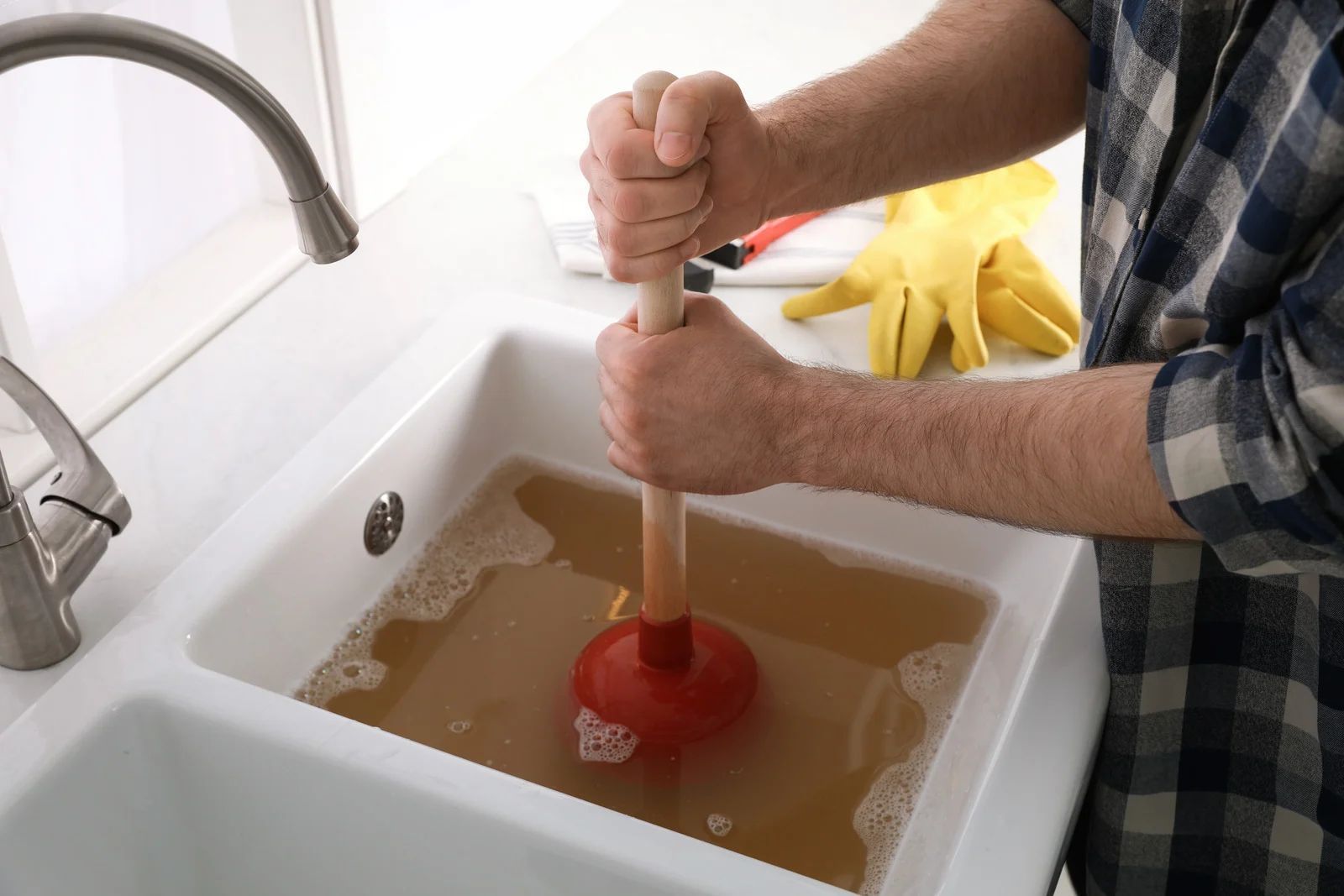
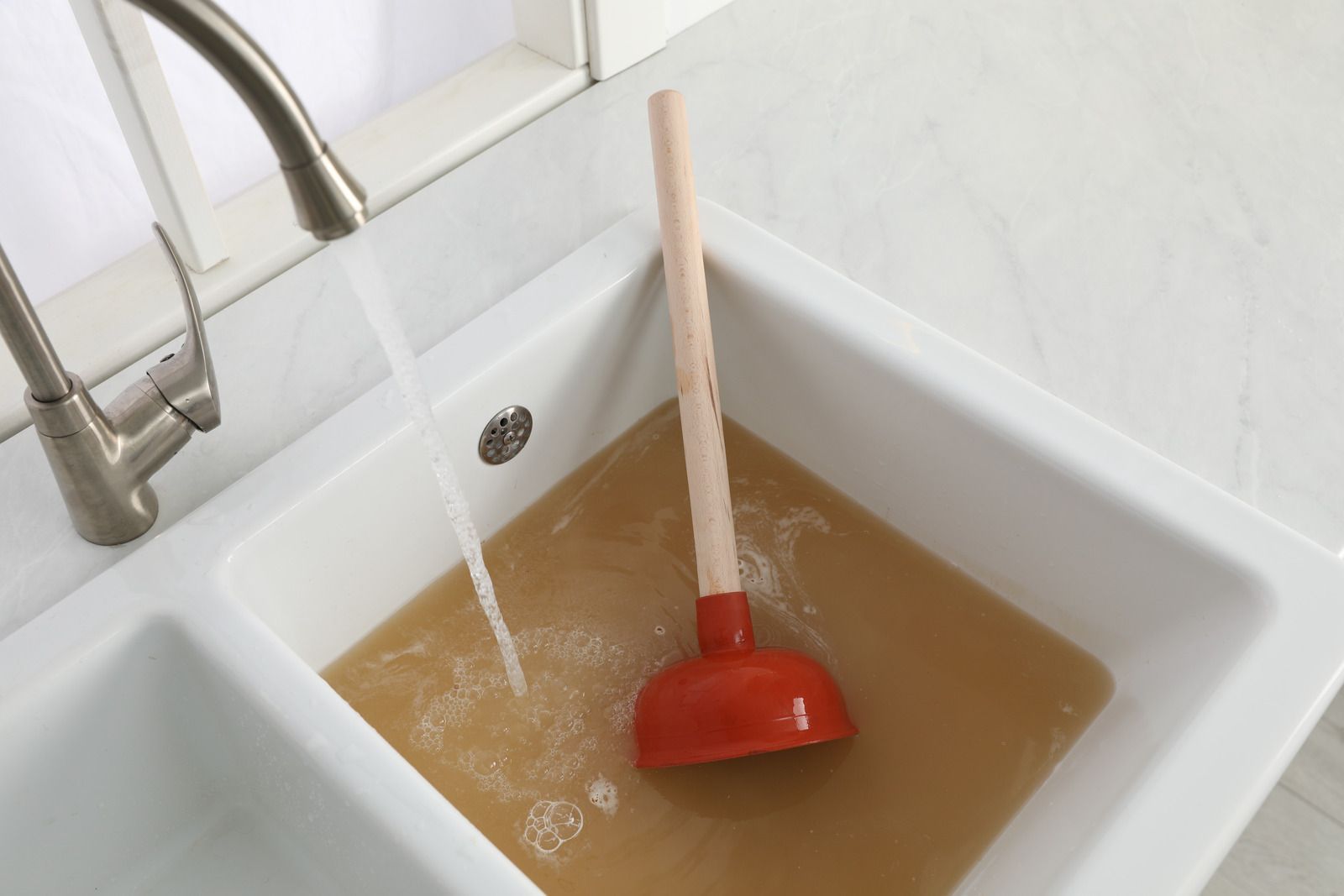
Picture a strip mall restaurant an hour before the dinner rush. The kitchen sink starts backing up, slow at first, then standing water that won't clear no matter how many times someone runs the disposal. That's not the same problem as a slow bathroom sink at home. A commercial kitchen line carries grease from a dozen different dishes an hour, runs through pipe that's often wider and longer than anything in a house, and ties into fixtures that all drain into the same shared system.
Commercial hydro jetting exists for exactly that kind of line. It's the same underlying technology used on residential jobs, but the equipment, the access points, and the frequency of service all shift once you're dealing with a business instead of a single household.
What Actually Separates Commercial Jetting From a Residential Job
The tool is the same. What it's being asked to do isn't.
The Pipe Itself Is Often Bigger
A restaurant, hotel, or medical building typically uses larger drain lines than a house. Clearing a 6-inch commercial pipe requires significantly more water volume through the jetting hose than a typical 2-inch residential branch requires.
More Fixtures Feed The Same Run
Commercial buildings route multiple sinks, floor drains, bathrooms, and kitchen equipment into shared drain lines. A restriction anywhere along that run can cause backups at several connected fixtures, making the blockage more widespread than residential problems.
Grease Shows Up In Volumes A House Never Produces
Residential kitchens create some grease, but commercial kitchens produce it continuously from fryers, grills, and dishwashing. Grease traps and interceptors must manage that waste before sewer lines, adding another maintenance point that homes rarely have.
Downtime Carries A Different Cost
A slow home drain is inconvenient, but commercial backups can disrupt operations, customers, employees, and schedules. That is why businesses often schedule jetting after closing, during off-hours, or when disruption can be minimized for everyone.
What Happens During a Commercial Hydro Jetting Visit
The process follows a set order, and skipping steps is where problems start.
It Starts With A Camera, Not The Jetter
Before water enters the line, a technician uses a sewer camera to identify roots, grease, scale, collapse, pipe material, and condition. This inspection helps determine appropriate pressure, especially for brittle cast-iron commercial piping systems.
The Access Point Depends On What's Being Cleared
The access point varies by the line being cleared. Kitchen drains may use cleanouts near grease interceptors, while floor drains have separate entries. Multi-tenant buildings require identifying the correct shared lateral before jetting begins.
The Nozzle Gets Matched To The Job
Hydro jetting nozzles are selected according to the blockage. Penetrating nozzles open dense clogs, root-cutting attachments remove roots, and flushing nozzles clean pipe walls afterward. Proper sequencing helps ensure debris is thoroughly removed completely.
Water Runs At Pressure Up To Roughly 4,000 PSI
Pressurized water, reaching roughly 4,000 PSI, sprays through multiple nozzle openings, cutting grease, scale, and debris from pipe walls. The technician advances the hose through the entire run instead of treating only the immediate symptom.
A Second Camera Pass Confirms The Line Is Really Clear
After jetting, a second camera inspection confirms whether the pipe is genuinely clean throughout. It can reveal remaining debris or downstream problems, distinguishing a completely cleared line from one that is temporarily quiet afterward.
Why Grease Changes the Whole Approach
A line clogged with tree roots and a line clogged with restaurant grease don't behave the same way, and treating them the same is how callbacks happen.
Roots and hardened debris tend to sit in one place, and once a jetter cuts through them, they're gone. Grease is different. It coats the entire interior of a pipe as a thin film, builds up layer over layer with every shift the kitchen runs, and narrows the usable diameter of the line gradually rather than all at once. A technician working a grease-heavy line has to treat the full length of the run as the problem, not just the spot where the clog finally became obvious.
That's also why grease traps and interceptors sit where they do. They're built to catch fats, oils, and grease before that material ever reaches the sewer connection, and a trap that isn't maintained lets buildup pass straight through into the line beyond it. The U.S. Environmental Protection Agency has identified fats, oils, and grease as one of the leading causes of sanitary sewer overflows nationally, which is a big part of why food service properties end up on a jetting schedule far tighter than a typical office building.
Warning: A commercial kitchen that only calls for jetting after a backup already happened is managing the problem backward. Grease narrows a line gradually, which means the first visible symptom, a slow floor drain, a gurgling sink, usually shows up well after the interior of the pipe is already coated thick with buildup. Waiting for a full stoppage before scheduling service means the eventual backup is more likely to hit during service hours instead of on a planned closing-time visit.
Where Commercial Hydro Jetting Gets Used
It's not just restaurant kitchens, though that's the most obvious case.
Restaurant and food service lines get the heaviest and most frequent attention, given how much grease and food waste passes through a working kitchen.
Hotel and multifamily properties run high volumes of water through shared laundry and bathroom lines, often across dozens of units tied into a handful of main branches.
Medical and dental buildings deal with a mix of regular fixture use and specific waste streams that need clean, unrestricted lines.
Office buildings and retail centers see lighter volume overall, but a shared lateral serving several tenants can still back up if any one section narrows.
Different building types, same underlying principle: more fixtures and more volume moving through a shared system means more opportunities for buildup, and less room for a single clogged line to stay a small problem.
Tip: If a property manager isn't sure which businesses in a shared building tie into the same drain line, that's worth confirming before the next service call, not during an active backup. A property with multiple tenants often has one or two laterals serving several units, and knowing that layout ahead of time is what turns an emergency call into a straightforward one.
How Often a Commercial Property Actually Needs It
The Las Vegas valley's water adds a wrinkle most commercial buildings elsewhere don't deal with. The Las Vegas Valley Water District rates the treated water delivered across the valley as very hard, and that mineral content builds a scale coating on the inside of pipes over time, on top of whatever grease or debris is already narrowing the line. A commercial kitchen or hotel laundry room running high water volume through that same hard water sees buildup accumulate faster than an identical property would somewhere with softer water.
Restaurants and other food service properties typically need jetting on the tightest schedule, often every few months, given how quickly grease recoats a line that's just been cleared. Hotels and medical buildings with heavy water use generally fall somewhere in the middle. Office buildings and lower-volume retail spaces can usually stretch longer between services, though a shared lateral line still deserves periodic attention even when no single tenant is generating much waste.
None of those intervals are fixed. A camera inspection is what shows whether a line's interior looks clean or whether the schedule needs to tighten up, and that's worth checking rather than guessing at based on how long it's been since the last visible backup.
Frequently Asked Questions
How is commercial hydro jetting different from a residential visit?
Commercial jobs deal with larger pipe diameters, more fixtures feeding the same branch line, and far heavier grease loads than a house typically produces. The equipment and technique are the same, but the water volume, nozzle selection, and scheduling around business hours all shift to match what a commercial system actually carries.
Does commercial hydro jetting reach the grease interceptor line, or just the visible drain?
A thorough commercial job traces the branch line back through the grease interceptor connection, not just the fixture where the symptom showed up. Since grease coats the entire run rather than sitting in one spot, clearing only the visible opening tends to leave the interior of the pipe still narrowed.
Will jetting shut down my kitchen or business during the visit?
Most commercial jetting gets scheduled around closing hours or slower periods specifically to avoid disrupting service. A technician can usually confirm the access points and expected timeline for a given line layout before the visit, which is what lets it get planned around business hours rather than during them.
Is high-pressure jetting safe for older commercial buildings with cast iron pipe?
It can be, but it depends on the pipe's actual condition, which is why a camera inspection comes first on every job. Older or corroded sections may need lower pressure or a different approach entirely, and that assessment happens before any water goes through the line at full force.
What's the difference between hydro jetting and snaking a commercial line?
Snaking punches a channel through a blockage and clears the immediate symptom. Hydro jetting scours the entire interior of the pipe, removing the grease and scale coating the walls rather than leaving it in place to narrow the line again within weeks. For a commercial kitchen line, that difference in thoroughness is usually the whole reason jetting gets chosen over snaking.
How can a property manager tell if a shared lateral line needs attention before a backup happens?
A camera inspection is the most direct way to check, since scale and grease buildup narrow a line well before a fixture actually backs up. Recurring slow drains at more than one unit, gurgling sounds, or odors near a shared cleanout are also worth flagging early rather than waiting for a full stoppage.
What This Means for the Next Service Call
Commercial hydro jetting isn't a bigger version of a residential drain cleaning, it's a different job built around larger lines, shared branches, and grease volumes a house never produces. Getting it right starts with a camera inspection to see what's actually inside the pipe, continues through a nozzle and pressure choice matched to that specific line, and ends with a second inspection confirming the interior is clear all the way through rather than just quiet for the moment.
Advanced Drain Jetting LLC
works commercial lines across the Las Vegas valley with that same process on every visit: a camera-first inspection, hydro jetting equipment matched to the pipe size and grease load involved, and a follow-up check before calling the job done. Backed by 20
years of hands-on plumbing work and fully licensed and insured, the team traces shared branch lines and grease interceptor connections rather than treating the nearest fixture as the whole problem. Reach out to get a commercial line inspected before the next backup lands during business hours instead of before it.