
Hydro Jetting vs. Drain Snaking: Which Is Better for Commercial Properties?
Quick Answer: Snaking is the better first move for a fresh, single fixture clog or a pipe of unknown condition, because it restores flow quickly with less force. Hydro jetting is the better choice for commercial properties whenever the problem is buildup instead of one obstruction: grease, scale, sludge, or roots coating the pipe wall, backups that return after snaking, or several fixtures slowing at once. In most commercial buildings the right order is a camera inspection first, then the method that matches what the camera shows. Restaurant kitchens, hotel laundries, and shared laterals usually land on a jetting schedule, because a snake opens a channel while leaving the coating that causes the next clog.
Friday afternoon, the kitchen line at the restaurant in your shopping center backs up, and a technician snakes it. Water drains, service resumes, and everyone moves on. By Wednesday the floor drain near the dish station is slow again, and the tenant wants to know why the fix did not last. If you manage a commercial property, you have probably lived some version of this. The line was opened, but it was never cleaned.
That gap is the whole difference between drain snaking and hydro jetting. Both are legitimate tools, and a good drain specialist uses both. The skill is knowing which one the pipe in front of you actually needs, because on a commercial property a wrong choice usually shows up as a callback during business hours. This guide walks through what each method does inside the pipe, where each one belongs, and how to decide before the next backup decides for you.
What Each Method Actually Does Inside the Pipe
Drain snaking is mechanical
A flexible steel cable with a cutting or retrieving head is fed into the line and rotated. When it reaches an obstruction, it breaks the blockage apart or hooks it so it can be pulled out. The result is an open channel through the clog. Water flows again right away, which is why snaking is the familiar first response.
Hydro jetting is hydraulic
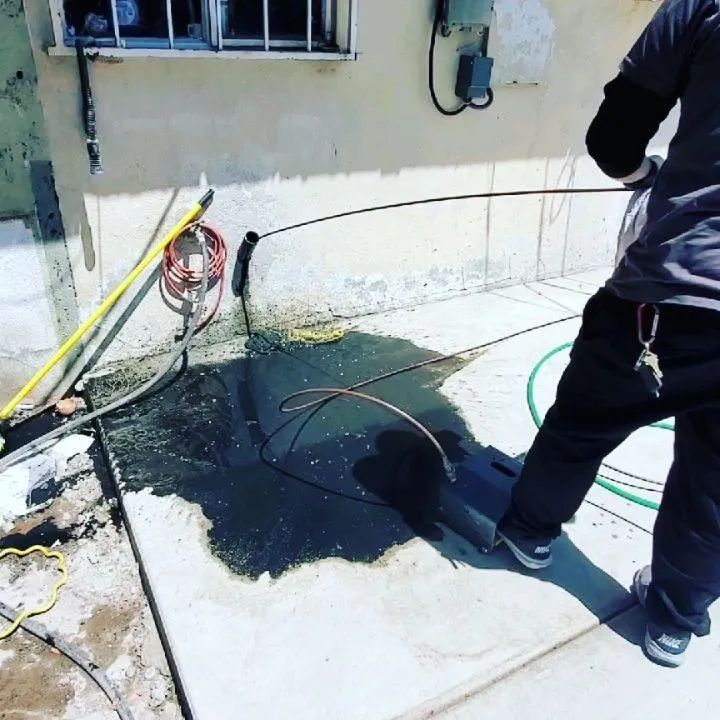
A jetting machine holds a tank of water and feeds it through a hose fitted with an interchangeable nozzle. Pressurized water, up to 4,000 PSI, sprays out in several directions and scours the entire inside surface of the pipe. Grease, scale, sludge, soap residue, and roots are cut loose and flushed out of the line instead of being pushed aside.
The difference shows up on the pipe wall
After a snake passes through a grease coated line, a layer of that coating usually remains around the channel it opened. It keeps narrowing the pipe, and the next clog forms on top of it. After jetting, a camera shows bare pipe wall along the full length of the run. One method clears the symptom. The other removes the material that produces it.
Why Commercial Lines Push This Decision Harder Than a House
The same two tools apply in a house and in a hotel, but the pipe conditions are not close to equal.
Volume
A commercial kitchen, laundry room, or restroom group sends far more water, food waste, and soap through its lines every day than a household does. Buildup that takes years to form in a home can form in months.
Shared branches
In a multi tenant building, several fixtures and sometimes several businesses drain into one run. A restriction anywhere along it can surface at a different fixture, so the visible clog is rarely the whole problem.
Grease
Food service properties produce fats, oils, and grease all day. Grease does not sit in one spot. It coats the full interior of the line and hardens as it cools, which is exactly the kind of buildup a snake leaves behind. EPA reporting on sanitary sewer overflows has named grease among the leading causes of sewer blockages, which shows how common the problem is.
Mineral scale
Water in the Las Vegas valley is very hard, and the minerals leave a scale coating inside pipes over time. In a high volume building that scale builds faster, and it narrows the line even where no grease is present.
Downtime
A slow drain at home is an annoyance. A blocked kitchen line during service, or a backed up floor drain in a lobby, is lost business, so the method that lasts longer carries extra weight.
When Snaking Is the Right Call
Snaking has a place on commercial properties. A specialist who recommends jetting for every call is not paying attention to the pipe.
A First Time Clog At A Single Fixture
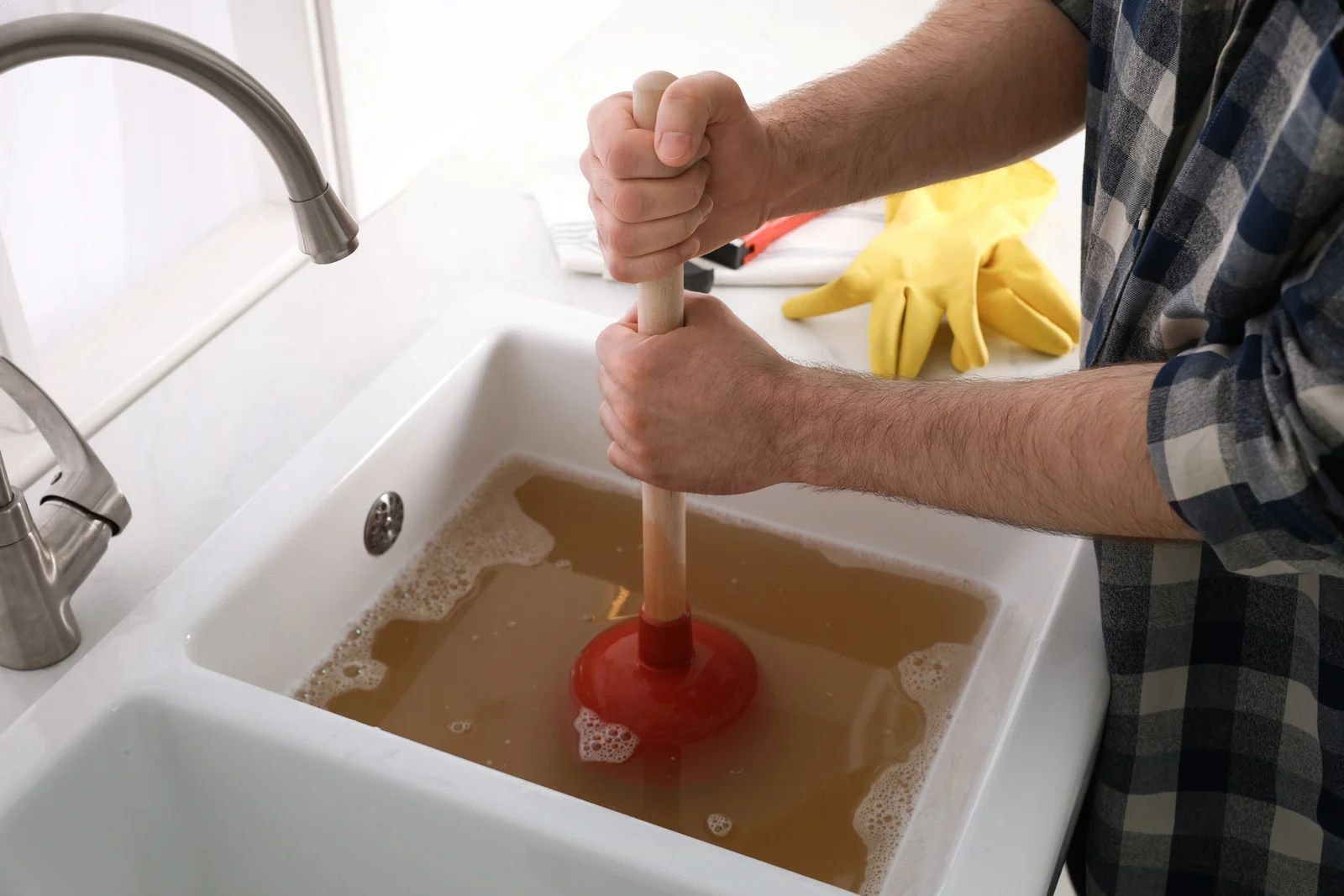
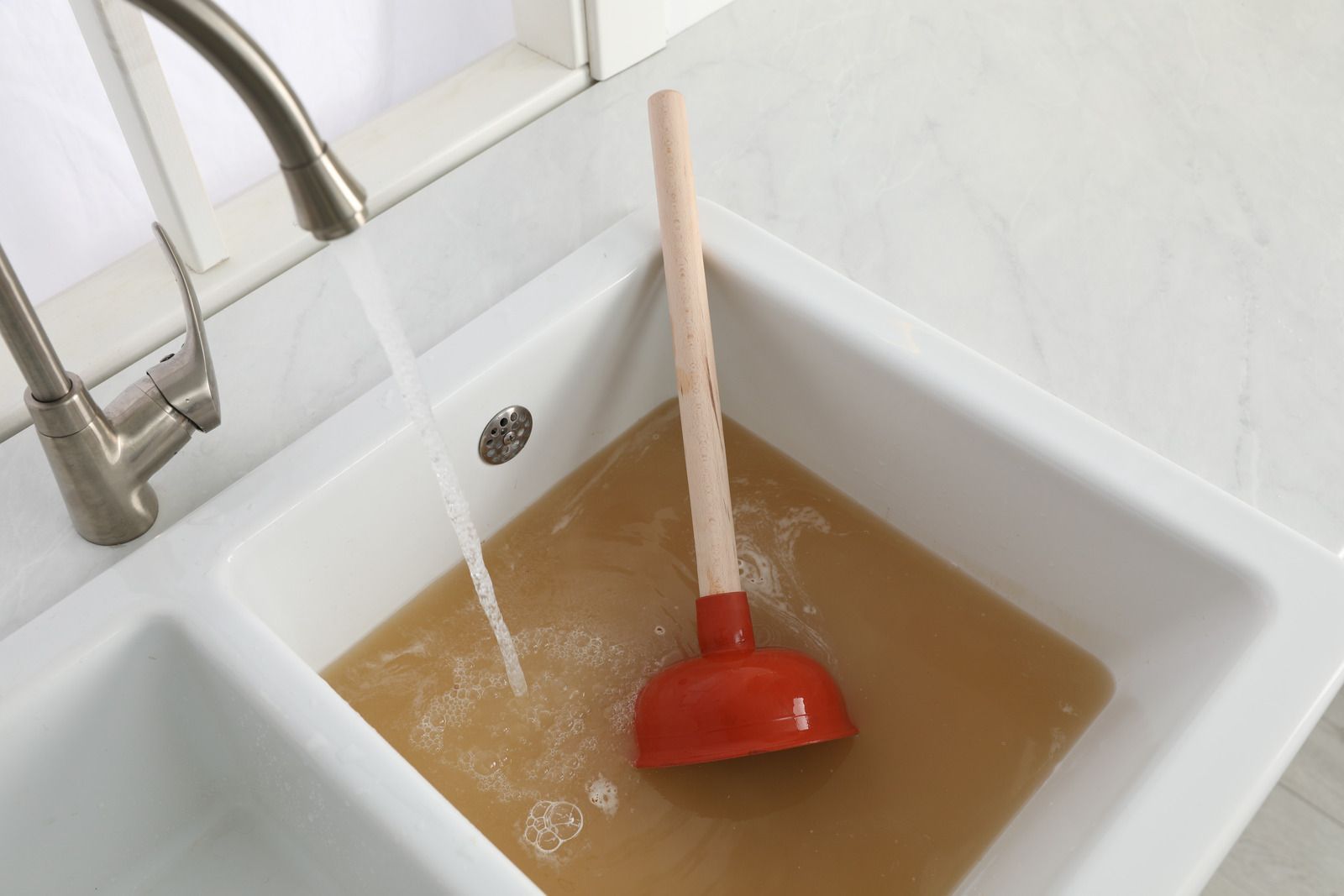
When one sink or toilet is blocked but other drains work normally, a localized obstruction often responds quickly to mechanical snaking.
Restoring Service Fast
When a restroom or sink needs to work again quickly, snaking provides an efficient first response without the additional setup required for hydro jetting.
Pipe Condition That Is Unknown Or Fragile
Older, corroded, or brittle pipes may be vulnerable to high pressure. Mechanical snaking offers gentler initial clearing while arranging a camera inspection.
Tip: Keep a simple log of every drain call at your property, noting the date, the fixture, and the method used. If the same line appears twice within a few months after snaking, that pattern tells you buildup remains on the pipe wall, and the next visit should be a camera inspection and most likely a jetting.
When Hydro Jetting Is the Better Choice
Jetting earns its place whenever the problem is the coating, not the clog.
Backups That Keep Returning
When drains repeatedly clog within weeks, snaking may leave buildup behind. Recurring blockages indicate hydro jetting may provide a more thorough cleaning.
Grease Laden Kitchen And Floor Drains
Restaurant lines, bar sinks, and dish stations accumulate grease along pipe walls. Hydro jetting removes stubborn deposits throughout the pipe's interior.
More Than One Fixture Affected
Multiple slow drains, gurgling sounds, pooling floor drains, or sewer odors may indicate widespread buildup restricting a shared branch or main sewer line.
Scale And Sludge
Hard water scale and accumulated sludge resist basic cable clearing. Properly selected hydro jetting nozzles help remove deposits along the pipe's entire length.
Roots In The Line
Specialized hydro jetting nozzles can cut through and flush out roots. A follow-up camera inspection identifies remaining damage requiring professional pipe repairs.
Matching the Method to Your Type of Property
The kind of building usually points to a sensible schedule even before a camera goes in.
Restaurants And Food Service
High grease output requires frequent jetting, typically every three to six months, with busy kitchens needing quarterly maintenance.
Hotels, Hospitals, And Medical Buildings
Heavy wastewater from laundry, kitchens, and restrooms generally makes hydro jetting every four to six months appropriate.
Office Buildings
Lower wastewater volumes often allow annual jetting, while snaking handles isolated clogs between scheduled maintenance visits.
Retail Centers And Multi Tenant Buildings
Shared sewer lines can transfer blockages between tenants, making scheduled jetting important for protecting every connected unit.
These are typical ranges, not fixed rules. The camera tells you whether the interior looks clean or whether the schedule needs to tighten.
Why the Camera Comes Before Either Method
Neither tool should go into a commercial line blind. A video inspection shows what the blockage actually is, where it sits, and what shape the pipe is in.
That matters for two reasons. First, it identifies whether you are dealing with a soft clog, grease, scale, roots, or a damaged section, and that decides the method. Second, it sets the pressure. Jetting is safe on most commercial systems when experienced professionals do it, but older cast iron, clay, or corroded sections may need lower pressure or a different approach.
Warning: Do not approve high pressure jetting on an older building without a camera inspection first. Brittle or compromised pipe sections are the one place where pressure can do harm, and the inspection is how those sections get found before any water runs through at full force.
A second camera pass after the cleaning confirms the result. Without it, a line that only looks quiet and a line that is truly clear cannot be told apart.
A Practical Sequence for a Commercial Backup
Most well run service calls follow the same order, and it works for property managers as a checklist.
Restore Service If A Fixture Is Down
Use a drain snake or targeted clearing method to restore normal fixture operation quickly.
Look Inside The Pipe
A camera inspection identifies the blockage, reveals pipe conditions, and helps determine appropriate cleaning methods.
Clean The Line To Match The Finding
Use a cable for soft clogs or foreign objects, and hydro jetting for grease, scale, sludge, or roots.
Verify The Result
Perform a second camera inspection to confirm the pipe interior is clean throughout the entire run.
Set The Schedule
Use inspection findings to establish maintenance intervals, preventing backups and scheduling cleaning during convenient, planned periods.
Frequently Asked Questions
Is hydro jetting always better than snaking for a commercial property?
No. Jetting suits buildup, recurring clogs, and multiple affected fixtures, but a first time clog at a single fixture often clears fine with a snake. An inspection decides the method.
Will hydro jetting damage older commercial pipes?
Not when professionals handle it. A video inspection checks the pipe first, and if brittle or compromised sections appear, the pressure is lowered or a different method is recommended instead.
How do I know my restaurant needs jetting instead of another snaking?
Drains that slow again after snaking, gurgling, odors, and pooling at floor drains are common signs. Repeated snaking within a few months almost certainly means buildup coats the pipe wall.
How often should a commercial property schedule hydro jetting?
It depends on the building. Restaurants often need service every three to six months, hotels and hospitals every four to six, and many offices yearly. A camera inspection refines it.
How long does a commercial hydro jetting visit take?
Most visits include a camera inspection, setup, jetting, and a final inspection. Complex systems or severe blockages take longer. The technician can confirm timing beforehand to fit your business hours.
Can jetting help with a shared line that serves several tenants?
Yes. A shared lateral collects waste from every connected unit, so buildup in one section can slow several suites. Jetting the full run, then a camera check, clears the coating.
Matching the Right Method to Your Pipes
Snaking and hydro jetting are not rivals, and the smartest commercial properties treat them as two tools with two different jobs. A snake restores flow when a single fixture is blocked, while jetting cleans away the grease, scale, sludge, and roots that cause the next backup. Restaurants, hotels, offices, and shared laterals each carry their own pipe conditions, so the building often hints at which method will hold up longest. When a camera shows what the pipe needs, the guesswork disappears.
Advanced Drain Jetting LLC
brings 20
years of trade experience to properties across the Las Vegas valley, and that history shows in how each line is handled: inspect first, clean with the method the pipe calls for, then confirm the result on camera. That order protects older pipe, prevents repeat callbacks, and gives managers a cleaning schedule built around real conditions. Over time, planned maintenance costs less than emergency calls, keeps tenants working without interruption, and lets the drains behind the walls do their job.