
Early Signs of Hidden Plumbing Leaks You Can’t Afford to Miss
You walk past the water heater closet barefoot and the tile feels warm in a spot it never used to. Or the water bill climbs three months running and nobody changed a thing about showers, laundry, or the yard. Maybe you hear a faint trickle behind a wall at night, then tell yourself it was the fridge.
Here is what you need to know right away. A hidden plumbing leak almost always whispers before it shouts. By the time you see a stain on the ceiling or a puddle on the floor, water has usually been moving for weeks or months. The early signs are small and easy to talk yourself out of, which is exactly why so much damage happens behind drywall and under slabs before anyone calls. Catching those quiet signals early is the difference between a quick pinhole repair and tearing out cabinets and flooring. After tracing leaks like these in hundreds of homes, we can tell you the warning signs are real even when the water never shows its face.
The Quiet Signs a Leak Is Already Working
The first sign most people notice is a water bill that keeps creeping up with no change in habits. A pinhole in a pressurized line can pass 10 to 15 gallons a day without ever surfacing. Pull up two or three recent bills and compare the gallons used. A steady climb points to water escaping somewhere you cannot see.
Pay attention with your ears and your feet too. A running water sound when every faucet is off usually means a supply line is feeding a leak inside a wall or under the foundation. A warm patch on the floor in one spot often signals a hot water slab leak, where a copper line under the concrete has worn through and heat radiates up through the tile. Reduced pressure at a single fixture, or across the whole house, means pressure is bleeding off before it reaches the tap.
Then there are the smells and surfaces. A musty, mildew odor in a closet, cabinet, or hallway is moisture feeding mold somewhere close. Warped baseboards, bubbling paint, soft drywall, and floor tile that lifts at the grout line all point to slow water working underneath. In our dry desert climate these signs hide better than almost anywhere else, because low humidity dries surface moisture fast while the leak keeps running out of sight.
Why You Can Feel a Leak Before You See One
Most hidden leaks start at a weak joint or a corroded section of pipe, and the cause underneath is usually the water itself. The supply here runs hard, loaded with calcium and minerals that build scale inside copper and galvanized lines year after year. That scale narrows the pipe, traps heat, and slowly eats through the metal until a pinhole opens. The same minerals crust around fittings, which is why a white chalky ring near a connection is rarely just dust.
Slab leaks behave differently. Under a concrete foundation, a copper line expands and contracts every time hot water moves through it, and over years that movement rubs the pipe against the slab and the rough caliche soil packed around it. The friction wears a thin spot, then a hole. Because the leak sits under inches of concrete, you feel the warmth or hear the hiss long before any water finds its way up through a crack.
The Signs Homeowners Talk Themselves Out Of
The most missed sign is a water meter that moves when the house is dead quiet, because most people assume a leak would be loud or wet. The next is a water heater that suddenly cannot keep up. Hard water scale settles in the tank, and a slow leak on the hot side robs supply and pressure at the same time, so people replace the heater when the real problem is a worn line feeding water into the slab. Hairline cracks in drywall or along a baseboard get chalked up to settling, but when they sit near a wet area or pair with a musty smell, they often trace back to moisture swelling the framing behind them.
What to Do the Moment You Suspect a Leak
Work through these in order to protect the house and narrow the source.
- Find your main shutoff valve, usually at the meter or where the line enters the house, and confirm you can turn it before an emergency forces you to.
- Shut off every tap and appliance, then watch the small dial on your meter for 15 minutes. A moving dial confirms an active leak.
- Note where you see, hear, smell, or feel the problem, and how long it has been there.
- Photograph any staining, warping, or warm spots so we can compare changes.
- Shut the main off if water is actively spreading, then call for a professional locate.
TIP:
Before anyone opens a wall, do the meter dial test twice, once with the water heater isolated and once with it on. If the dial slows when the hot side is shut, the leak is almost certainly on a hot line, which narrows our search to the slab or the water heater feed.
WARNING: A warm or wet spot near an outlet, light fixture, or electrical panel is a real shock hazard. Water tracking inside a wall can reach wiring you cannot see. Stop, keep everyone away from that area, and shut the power to that zone at the breaker before you investigate.
How We Track a Leak You Cannot See
On service calls we start with the meter and a static pressure reading, because a system that will not hold pressure tells us a leak is live before we open anything. From there we listen. Acoustic detection equipment picks up the high frequency hiss of water escaping a pressurized line through concrete or drywall, and we follow the sound to its loudest point. For slab work we add thermal scanning to find the warm trail of a hot line leak under the floor.
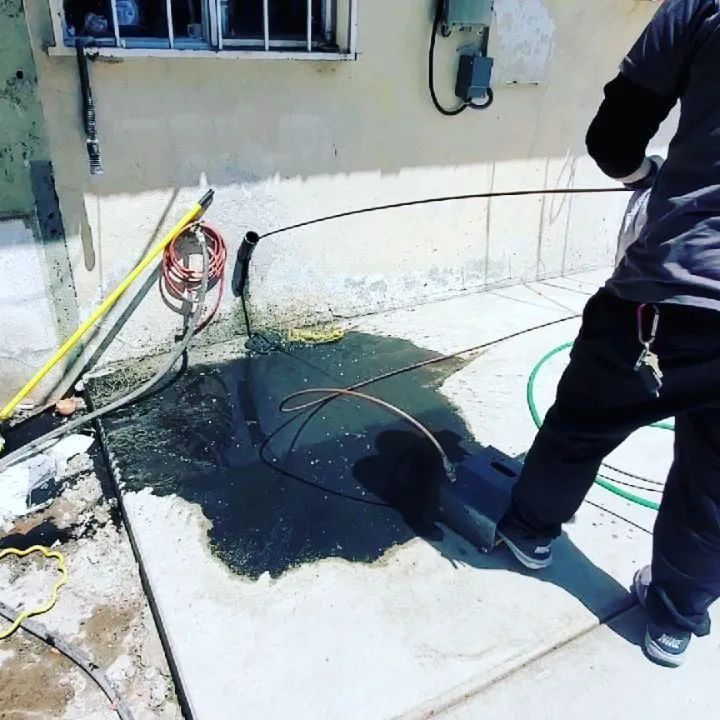
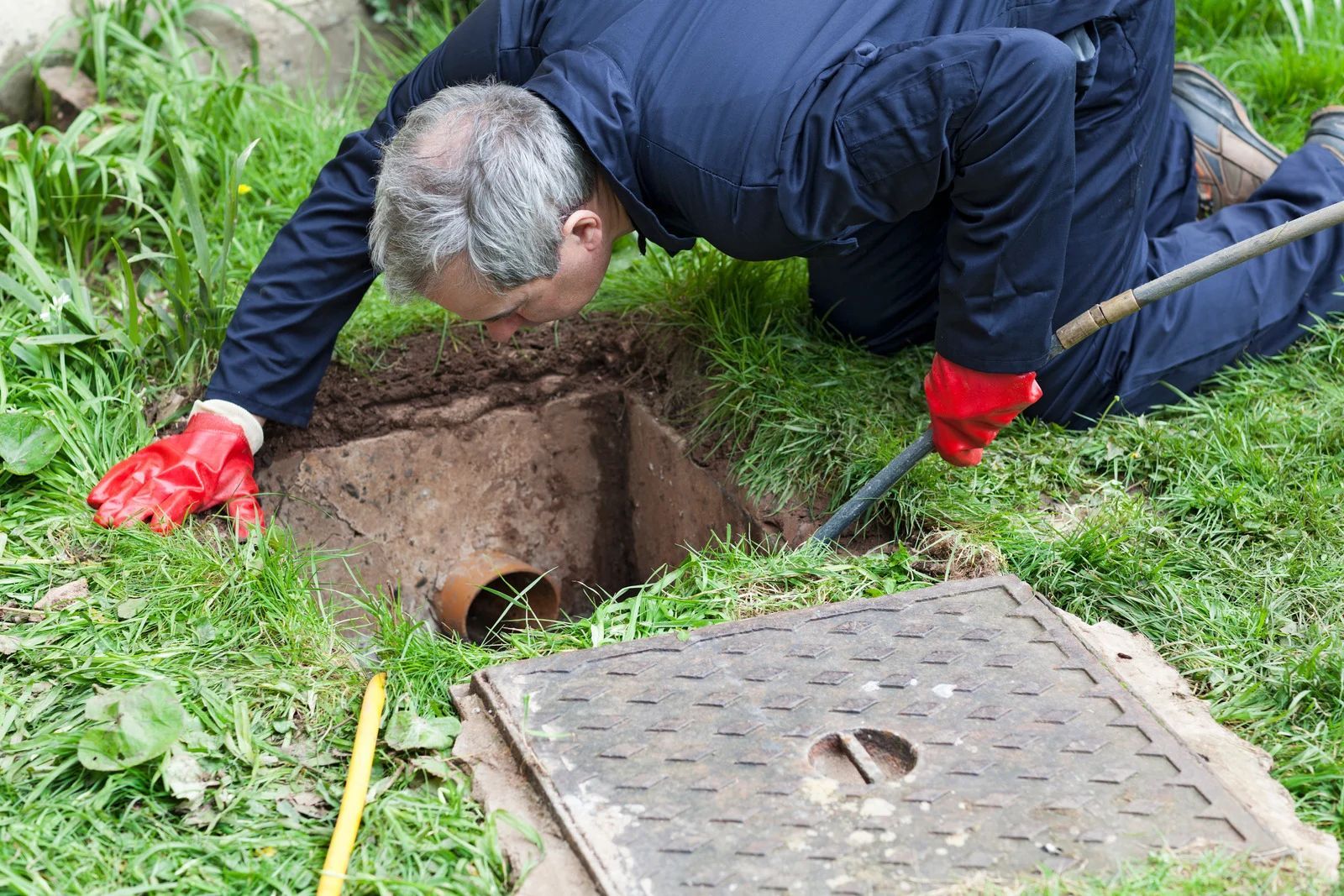
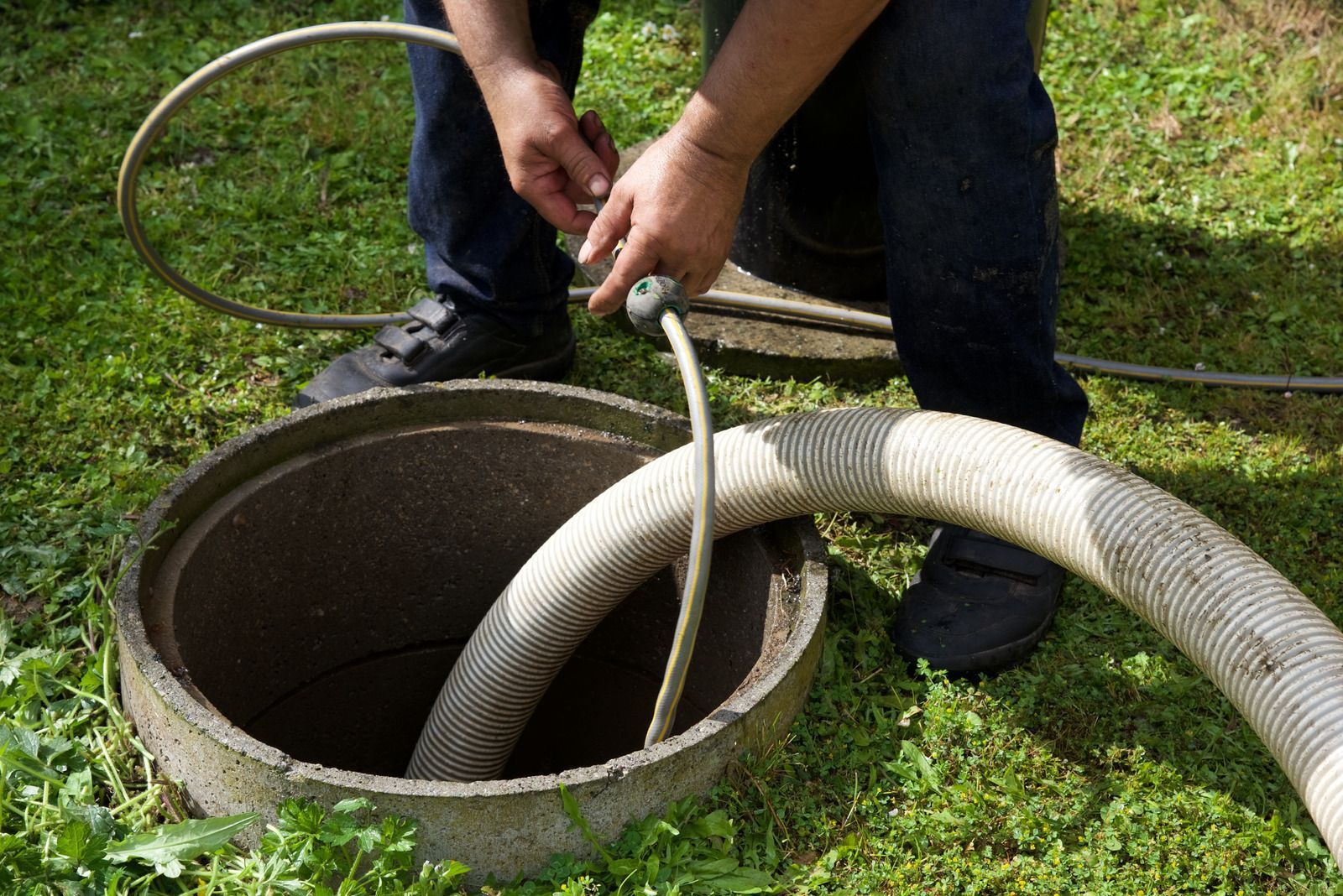
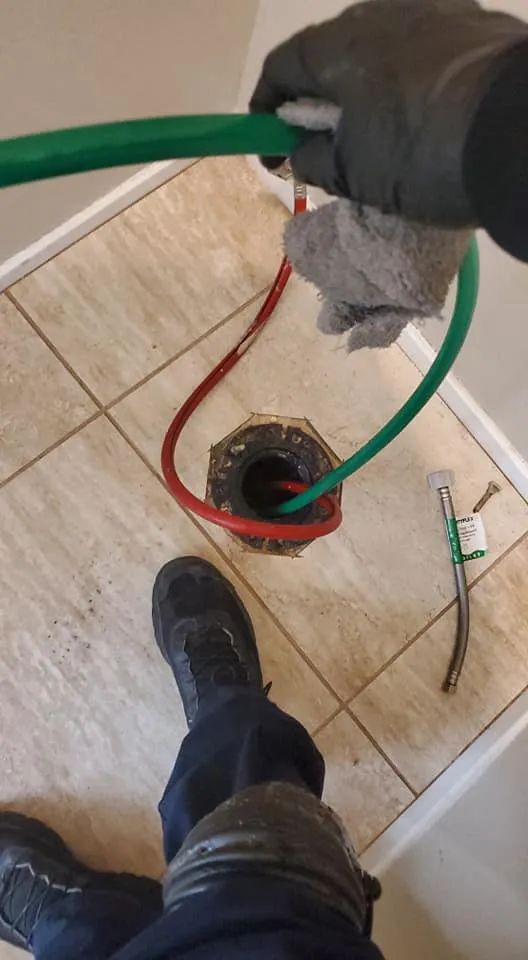
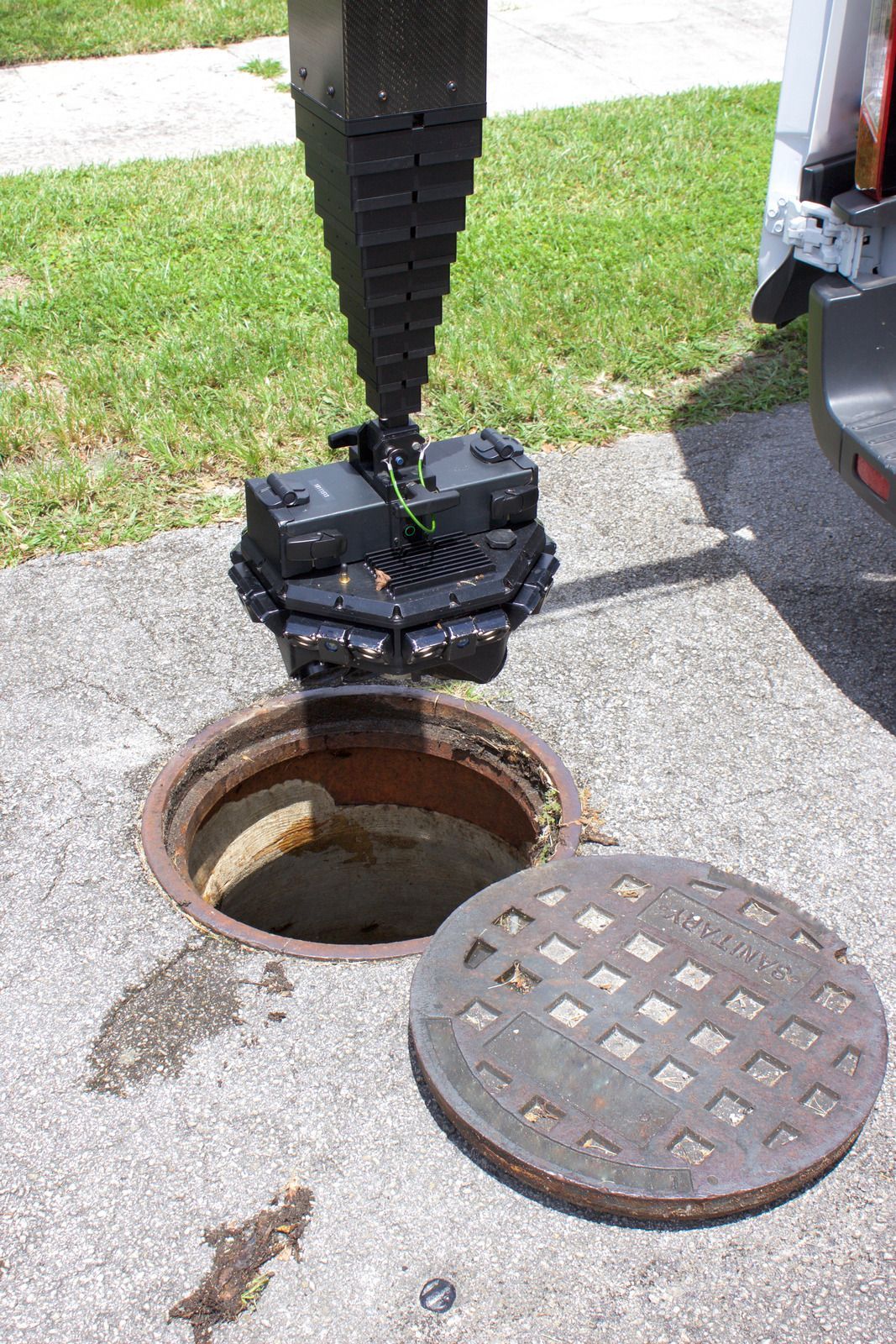
When the leak sits in a drain or sewer line rather than a supply line, we run a camera through the pipe to see the break, the root intrusion, or the scale buildup firsthand. We frequently find that what felt like one leak is scale choking a long run of older copper, with the visible failure being only the first spot to give out. Pinpointing the exact location means cutting one small access point instead of opening half a wall.
Stopping the Next Leak Before It Starts
Prevention here comes down to fighting the water chemistry and the heat. Check under sinks, around the water heater, and at hose connections monthly for that telltale white crust or any dampness. Every few months, test your main shutoff so it does not seize. Once a year, have the supply lines and water heater inspected for scale, since mineral buildup is the quiet driver behind most pinhole failures in this region. If your home runs on older copper or galvanized pipe, ask about a whole house treatment to slow the scaling, and flush the water heater before the hottest months.
A hidden leak shows itself in small ways first, on the meter, in the air, and under your feet, long before water breaks through where you can see it. The minerals in our water and the heat and caliche soil under our slabs make these leaks more common and better at hiding than almost anywhere else. When the signs add up and you want a straight answer, reach out to Advanced Drain Jetting LLC. With 20 years locating and clearing leaks across Las Vegas, Nevada, and we will find the source before it takes out a wall.
Frequently Asked Questions
Can a hidden leak run for weeks without me seeing water?
Yes. In dry desert air, surface moisture evaporates fast and leaks inside walls or under the slab stay out of sight. The first clues are usually a rising water bill, a faint running sound, or a warm floor patch.
How do I check for a leak myself without any tools?
Shut off every faucet and appliance, then watch the small dial or leak indicator on your water meter for 15 minutes. If it moves at all, water is escaping somewhere on your side of the line.
Why are slab leaks so common in this area?
Hot copper lines expand and contract under the slab and rub against concrete and the hard caliche soil packed around them. Over years that friction wears a pinhole. Hard water scale inside the pipe speeds up the failure.
Is a hidden leak ever an emergency I should not wait on?
Yes. Any wet or warm spot near outlets, fixtures, or your electrical panel is a shock hazard. Shut off power to that zone and the water main, keep everyone clear, and call for a professional locate right away.
Does hard water actually cause leaks or just spots?
Both. The same minerals that leave white crust on fixtures build scale inside your pipes, narrowing them and slowly corroding copper until a pinhole opens. Scale is the quiet driver behind most hidden supply line failures in this region.