
The Hidden Risks of Ignoring Commercial Drain Maintenance
Maintaining a commercial property involves more than just visible upkeep and customer-facing cleanliness. One of the most overlooked aspects of building management is commercial drain maintenance. While drains often operate silently in the background, their health directly impacts the functionality, safety, and reputation of a business. Ignoring this critical infrastructure can lead to unexpected disruptions, costly repairs, and regulatory compliance issues that affect both operations and profitability. Unfortunately, many property managers and business owners underestimate the significance of routine inspections and preventive measures, waiting until a noticeable problem arises before taking action. This reactive approach often magnifies the consequences, making simple maintenance a far more expensive emergency.
The relevance of proactive drain management extends beyond avoiding clogs or foul odors. Commercial drains handle high volumes of wastewater, grease, and debris that, over time, can deteriorate piping systems and lead to environmental hazards. From restaurants and retail spaces to industrial facilities, every business that relies on plumbing systems is vulnerable. Understanding the hidden risks of neglecting commercial drain maintenance is not just a matter of operational efficiency—it’s a critical component of business resilience, safety compliance, and long-term cost savings. In the following sections, we will explore the dangers, challenges, and best practices that every commercial property owner should know.
1. Structural Damage and Infrastructure Costs
The Cost of Neglect
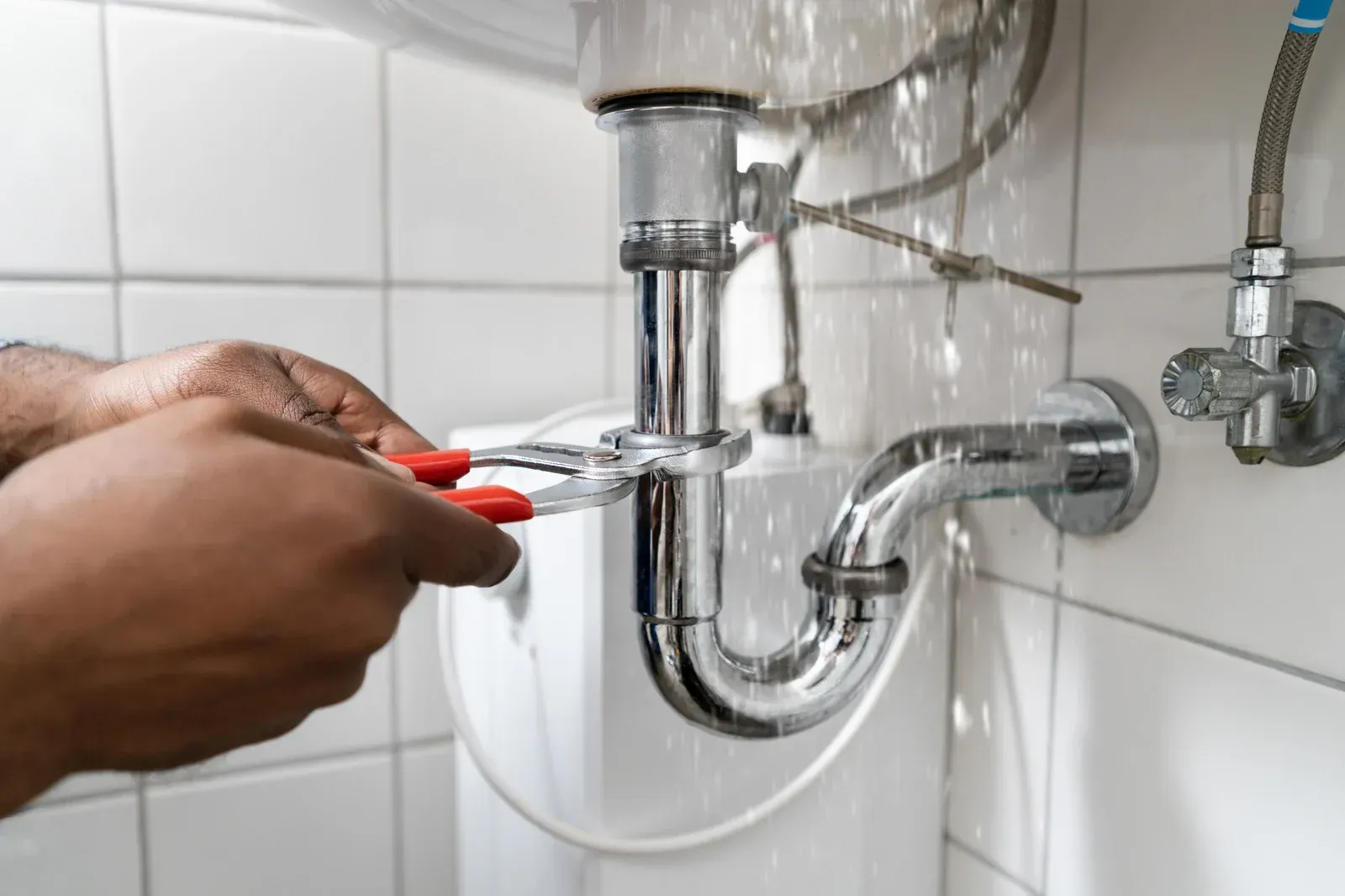
Neglecting drain maintenance can have severe structural consequences for commercial properties. Over time, debris buildup, grease accumulation, and sediment can create blockages that strain pipes. Persistent clogs increase water pressure within drainage systems, leading to leaks, pipe bursts, and even foundational damage. In extreme cases, water can seep into walls, floors, and ceilings, resulting in structural weakening and costly repairs.
Real-World Scenario
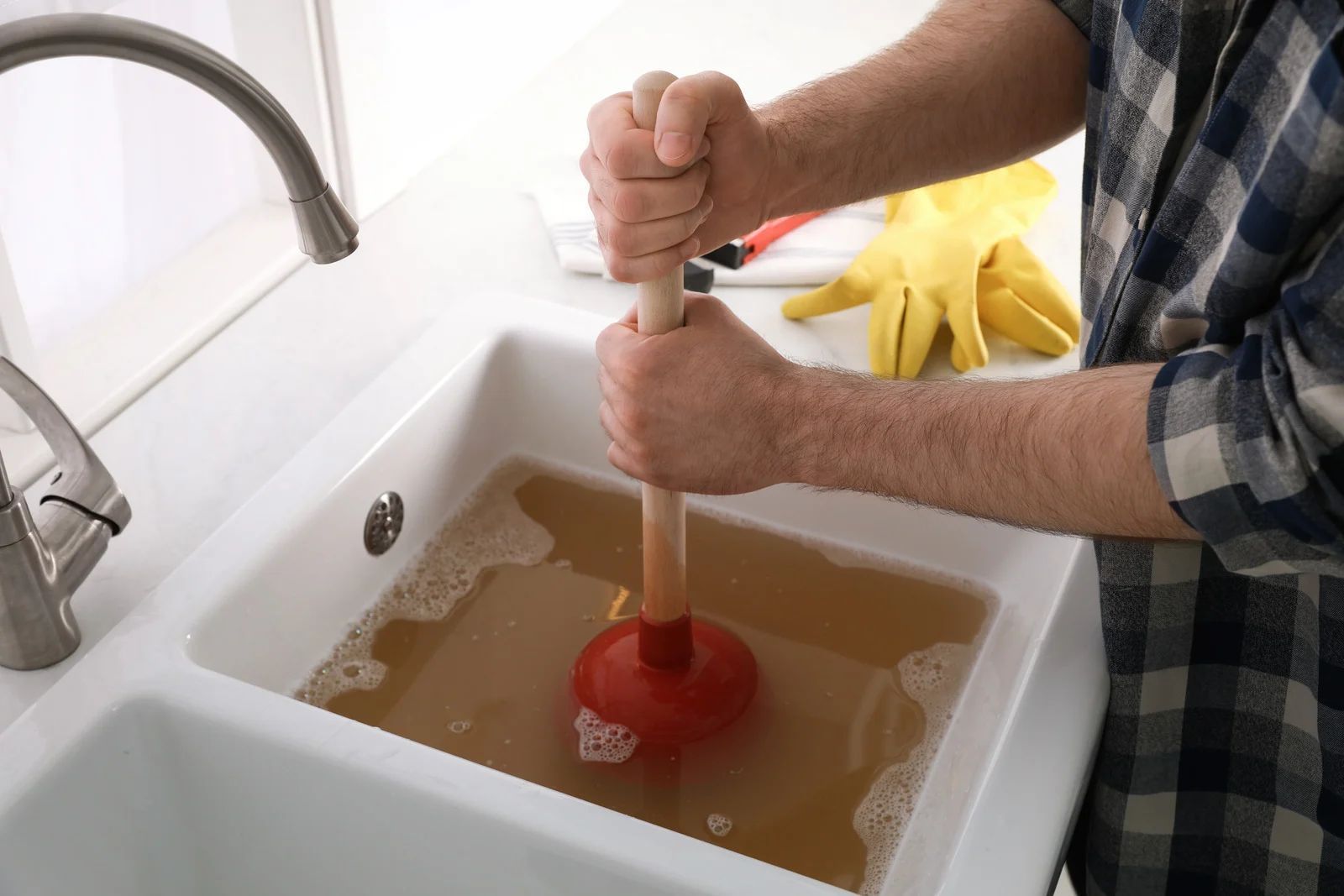
Consider a restaurant that overlooks its kitchen drain cleaning for several years. Grease and food particles gradually accumulate, eventually causing a major backup. The backup leads to water infiltration into neighboring walls, damaging electrical systems and flooring. The result is not only expensive repairs but also extended downtime, loss of revenue, and potential health code violations.
Preventive Strategies
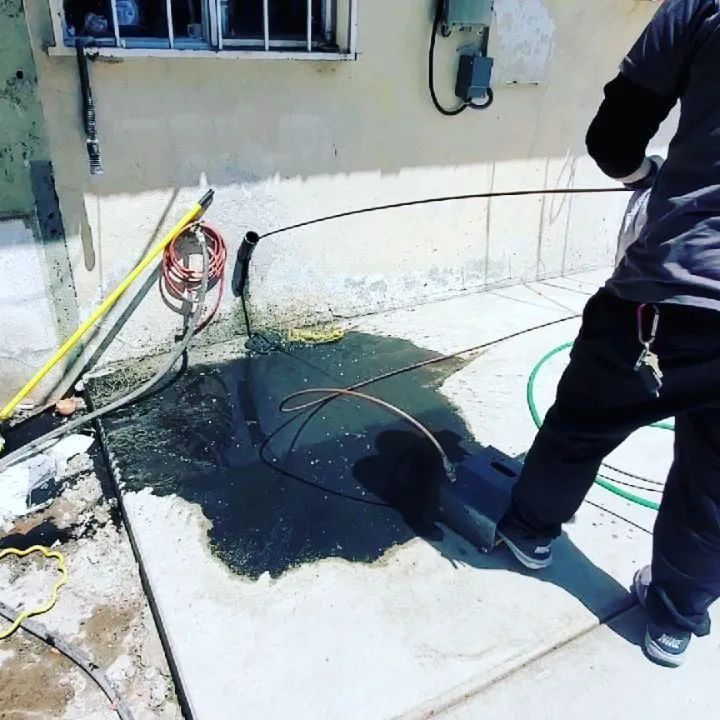
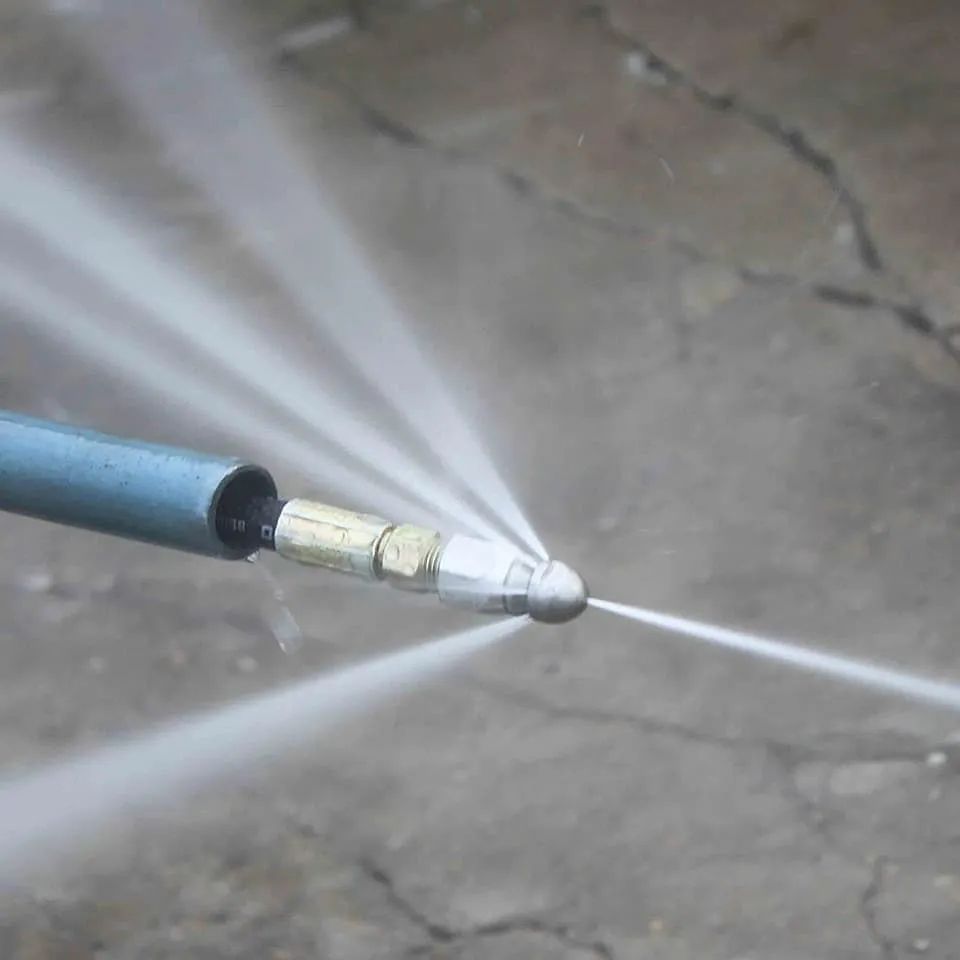
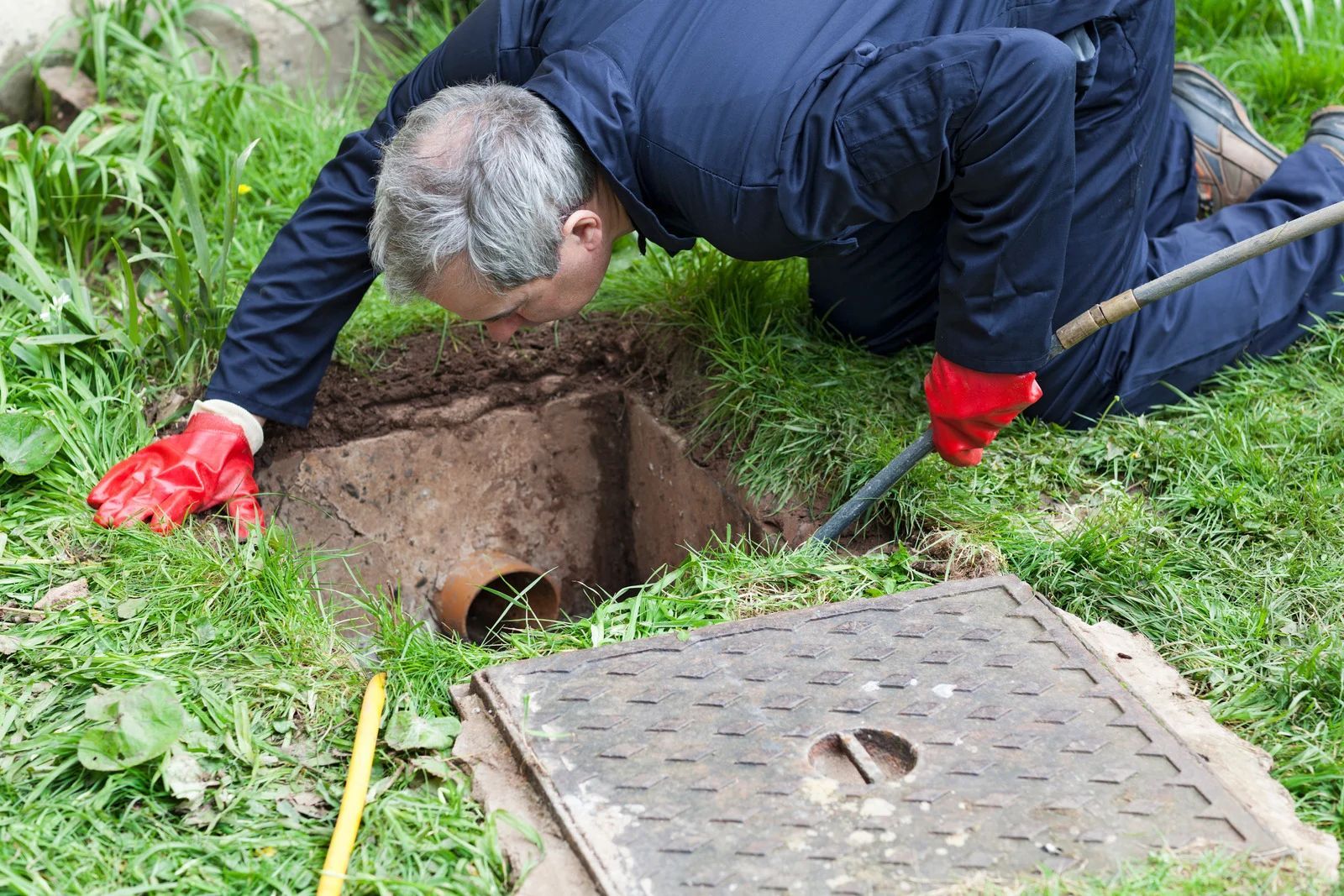
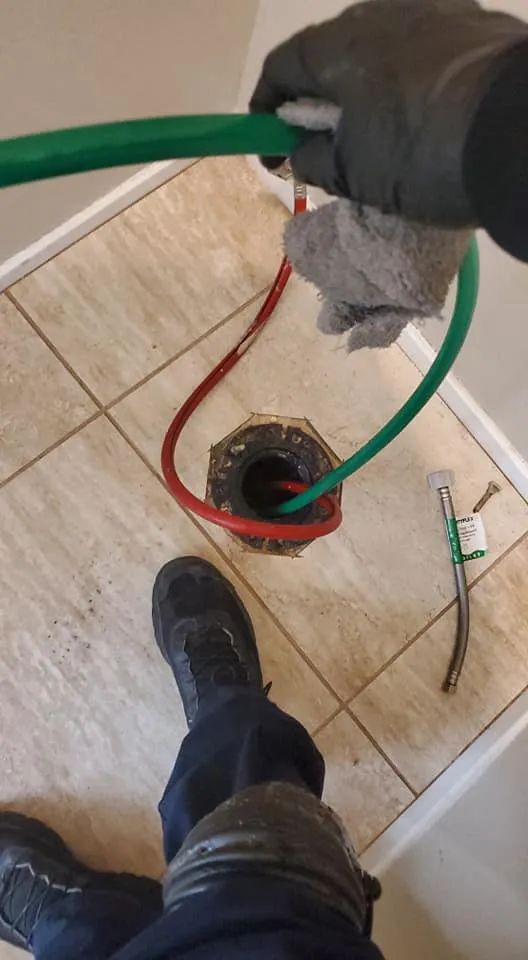
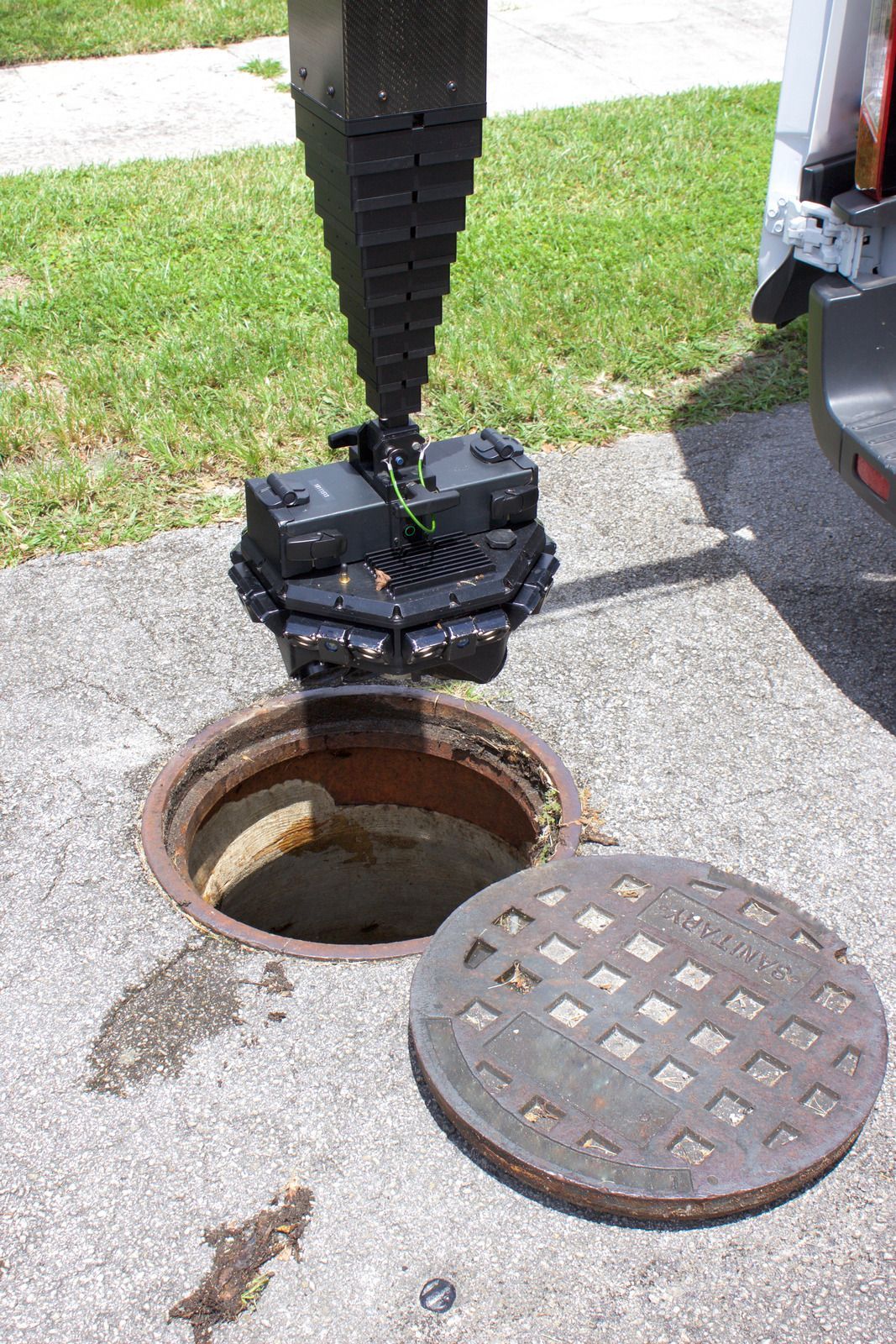
Regular inspections using CCTV drain cameras can identify early signs of pipe degradation, blockages, or leaks. Professional drain cleaning—such as hydro jetting—removes stubborn buildup and restores optimal flow, reducing stress on the infrastructure. Implementing a scheduled maintenance plan prevents small problems from escalating, preserving both the physical integrity of the building and the business’s bottom line.
Expert Insight
Plumbing and infrastructure experts consistently emphasize that proactive drain maintenance is an investment rather than an expense. Ignoring minor issues often leads to exponential repair costs, particularly in high-traffic commercial environments. Early detection and routine cleaning not only protect infrastructure but also extend the lifespan of drainage systems, ultimately saving businesses thousands of dollars over time.
2. Health and Sanitation Risks
Bacterial and Viral Hazards
Commercial drains that are neglected become breeding grounds for harmful bacteria and pathogens. Standing water, food waste, and organic matter create the perfect environment for bacteria such as E. coli and Salmonella, which can pose serious health risks to employees, customers, and visitors. In food service and healthcare settings, this contamination can easily trigger outbreaks, health emergencies, and costly regulatory fines that significantly impact operations.
Odor and Pest Infestations
Blocked or malfunctioning drains often emit foul odors that permeate a facility, negatively affecting customer perception, employee satisfaction, and workplace morale. Beyond unpleasant smells, standing wastewater attracts pests such as rodents, cockroaches, and flies. These infestations not only compromise sanitation standards but also require frequent and costly pest control interventions to restore safe conditions.
Regulatory Compliance Challenges
Commercial facilities must comply with strict sanitation, health, and safety codes. Neglected drains can lead to violations during inspections, resulting in fines, temporary closures, or even legal lawsuits. Businesses in food service, healthcare, and hospitality sectors are particularly vulnerable, as local and state regulatory authorities enforce stringent hygiene and safety standards.
Actionable Measures
Routine drain cleaning, proper waste disposal, and the installation of grease traps are essential steps in mitigating long-term health risks. Engaging licensed professionals for preventive maintenance ensures compliance with health regulations while protecting employees, customers, and the overall business reputation. Consistent upkeep significantly reduces the likelihood of contamination, pest issues, and regulatory infractions.
3. Operational Downtime and Business Disruption
The Hidden Cost of Interruptions
Drain problems rarely occur on a convenient schedule or during off-peak hours. A sudden pipe backup or flooding can immediately halt business operations, forcing temporary closures and delays. For high-volume commercial facilities, even a few hours of downtime can translate into significant revenue loss, missed deadlines, and frustrated clients or customers who may seek alternatives
Industry Examples
In hotels, office complexes, and multi-use buildings, a blocked main drain can affect multiple floors simultaneously, interrupting water supply, restroom facilities, and sanitation systems. Manufacturing plants can experience operational shutdowns if waste discharge systems fail, impacting production schedules, supply chain commitments, and contractual obligations. These disruptions illustrate the cascading effects of neglected drains on overall business performance and employee productivity.
Mitigation Through Maintenance
Preventive drain maintenance substantially reduces the risk of unexpected failures that can disrupt operations. Scheduled inspections, routine cleaning, and timely repairs help ensure continuous operational functionality and uninterrupted services. Businesses that prioritize drain upkeep can maintain workflow consistency, uphold service quality, and avoid the financial consequences associated with emergency interventions or downtime.
Strategic Planning
Developing a contingency plan for drain emergencies is equally essential for operational continuity. Facilities should have immediate access to professional emergency services, backup drainage solutions, and rapid response protocols. This proactive approach ensures minimal operational disruption, safeguards employees and customers, and protects the organization from reputational damage during unforeseen plumbing crises.
4. Environmental and Legal Implications
Environmental Concerns
Neglected commercial drains contribute to significant environmental hazards by allowing untreated wastewater to enter public water systems or surrounding soil. Grease, chemicals, and debris can cause pollution, disrupt local ecosystems, and attract regulatory scrutiny from environmental authorities. Businesses that fail to manage wastewater responsibly risk both environmental damage and long-term public backlash, including negative media attention.
Legal Liability
Businesses, particularly restaurants and commercial kitchens, face unique challenges due to high-volume usage and heavy grease disposal. A restaurant in a busy Las Vegas district struggled with recurring drain blockages that disrupted operations. By implementing a preventive maintenance plan with regular hydro-jetting and camera inspections, the plumbing system maintained peak performance, avoided costly downtime, and complied with sanitation regulations.
Preventive Compliance
Routine maintenance, proper waste disposal protocols, and strict adherence to local environmental regulations protect businesses from unnecessary liability. Professionals can conduct detailed drain inspections, remove contaminants safely, and advise on eco-friendly practices that fully align with legal standards. This approach ensures compliance while minimizing environmental impact and preserving the company’s long-term reputation and credibility.
Best Practices
Installing filtration systems, carefully monitoring chemical disposal, and maintaining detailed documentation of maintenance activities are practical steps businesses can take immediately. Regular training for staff on proper drainage, waste management, and hygiene practices further reduces the risk of accidental contamination or regulatory violations that could lead to fines or operational restrictions.
5. Long-Term Financial Implications
Repair vs. Maintenance Costs
Ignoring drain maintenance often results in far more expensive emergency repairs over time. Burst pipes, sewer line collapse, or extensive contamination require significant capital investment and extensive downtime. Routine maintenance is considerably more cost-effective, preventing severe damage, reducing long-term expenses, and minimizing financial disruptions to commercial operations.
Asset Longevity
Regular maintenance not only prevents emergency costs but also significantly extends the lifespan of plumbing infrastructure. By removing debris, grease, and sediment build-up, commercial drains remain efficient, reduce wear and tear, and avoid premature failure. Businesses can defer costly replacements, optimize resource allocation, and improve long-term return on investment and operational reliability
Financial Planning
Incorporating drain maintenance into annual budgeting is a sound and strategic financial practice. Predictable expenses for routine inspections, cleaning, and minor repairs prevent unplanned financial strain and support sustainable business operations. This proactive planning ensures businesses can manage cash flow while safeguarding infrastructure and productivity.
Reliable Drain Maintenance Specialists Committed To Excellence
Ignoring commercial drain maintenance exposes businesses to a wide range of hidden risks, from structural damage and health hazards to operational disruptions, environmental concerns, and long-term financial consequences. These issues not only compromise property integrity and employee safety but also pose significant legal and reputational threats. By investing in proactive drain management, commercial property owners can mitigate these risks, safeguard compliance, and ensure uninterrupted operations.
For business owners and property managers in Las Vegas, Nevada, Advanced Drain Jetting LLC
provides expert solutions to prevent costly drainage issues. With 20years of experience, the company specializes in comprehensive commercial drain maintenance, inspections, and cleaning services designed to protect your infrastructure and ensure regulatory compliance. Trusted by countless businesses, Advanced Drain Jetting LLC
combines industry-leading techniques, advanced equipment, and a proactive approach to maximize drain efficiency. Partnering with a reliable provider ensures long-term operational stability, cost savings, and peace of mind, making expert commercial drain maintenance an essential component of responsible property management.