
Kitchen Sink Draining Slow Again Weeks After Snaking? Why It Returns
Quick Answer: When your kitchen sink is slow again only weeks after a snaking, the auger bored a channel through the clog instead of stripping the pipe wall clean. Grease, soap film, and hard-water scale stay bonded to the pipe and rebuild quickly, so flow narrows right back down. In a hard-water area the mineral layer thickens the coating even faster. The lasting fix is removing the whole buildup from the pipe wall, not punching another hole through it.
You watched the plumber pull the cable, the sink gulped and drained, and for a week or two everything felt normal again. Then the water started pooling around the strainer, taking longer to clear after you rinse a pan. Now you are back to standing over a half-full basin wondering why the problem you just paid to fix is already returning. If the same kitchen line keeps slowing down within weeks of being snaked, you are not imagining it, and you did not get ripped off. The snake did its job, which is a narrow job that leaves the real cause of the clog sitting right where it was.
A drain that clogs again this fast is trying to tell you something specific about what is coating the inside of that pipe. Here is what a cable actually removes, what it leaves behind, and why kitchen lines in a hard-water valley rebuild a blockage faster than almost anywhere else.
What Snaking Actually Does to a Clogged Kitchen Line
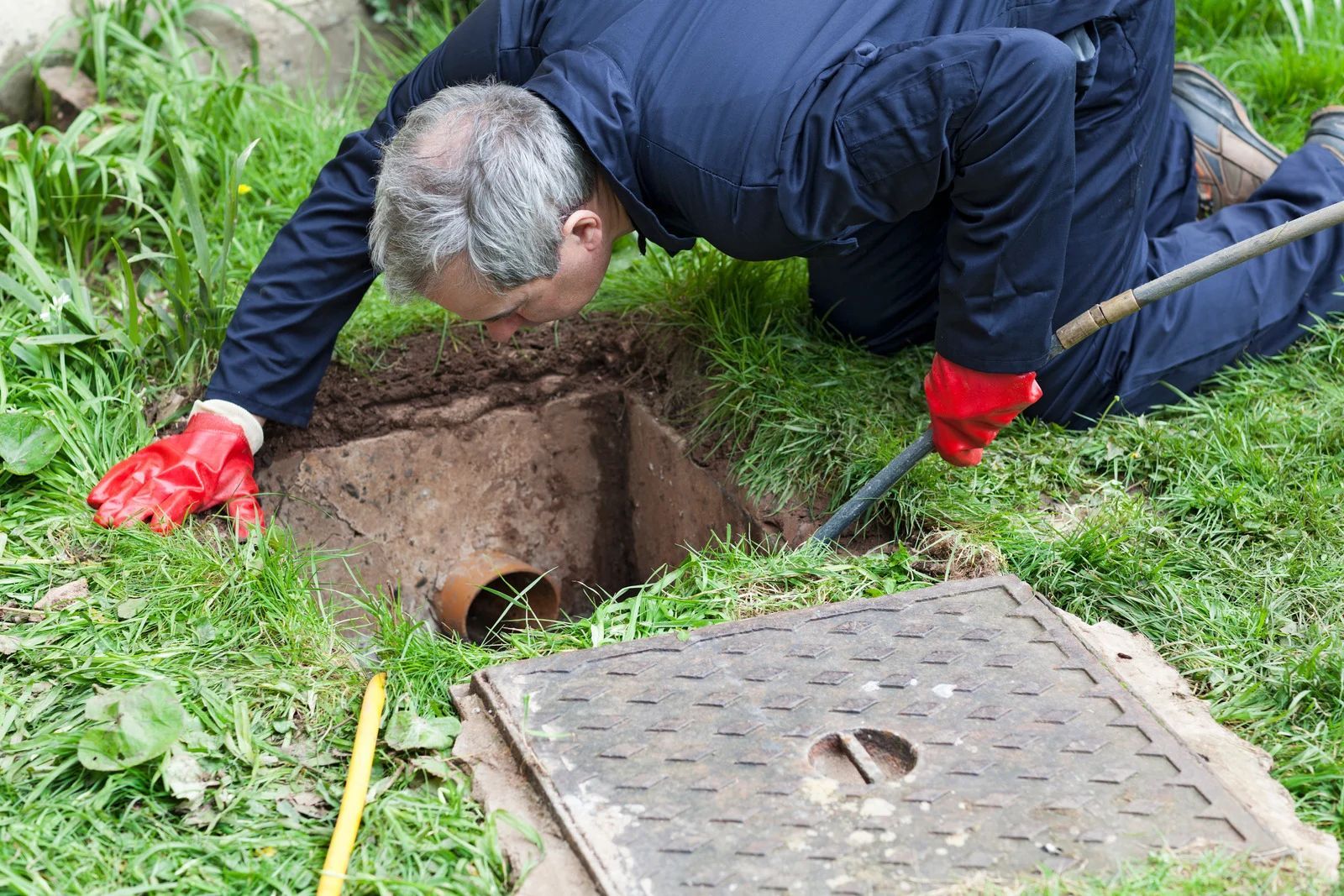
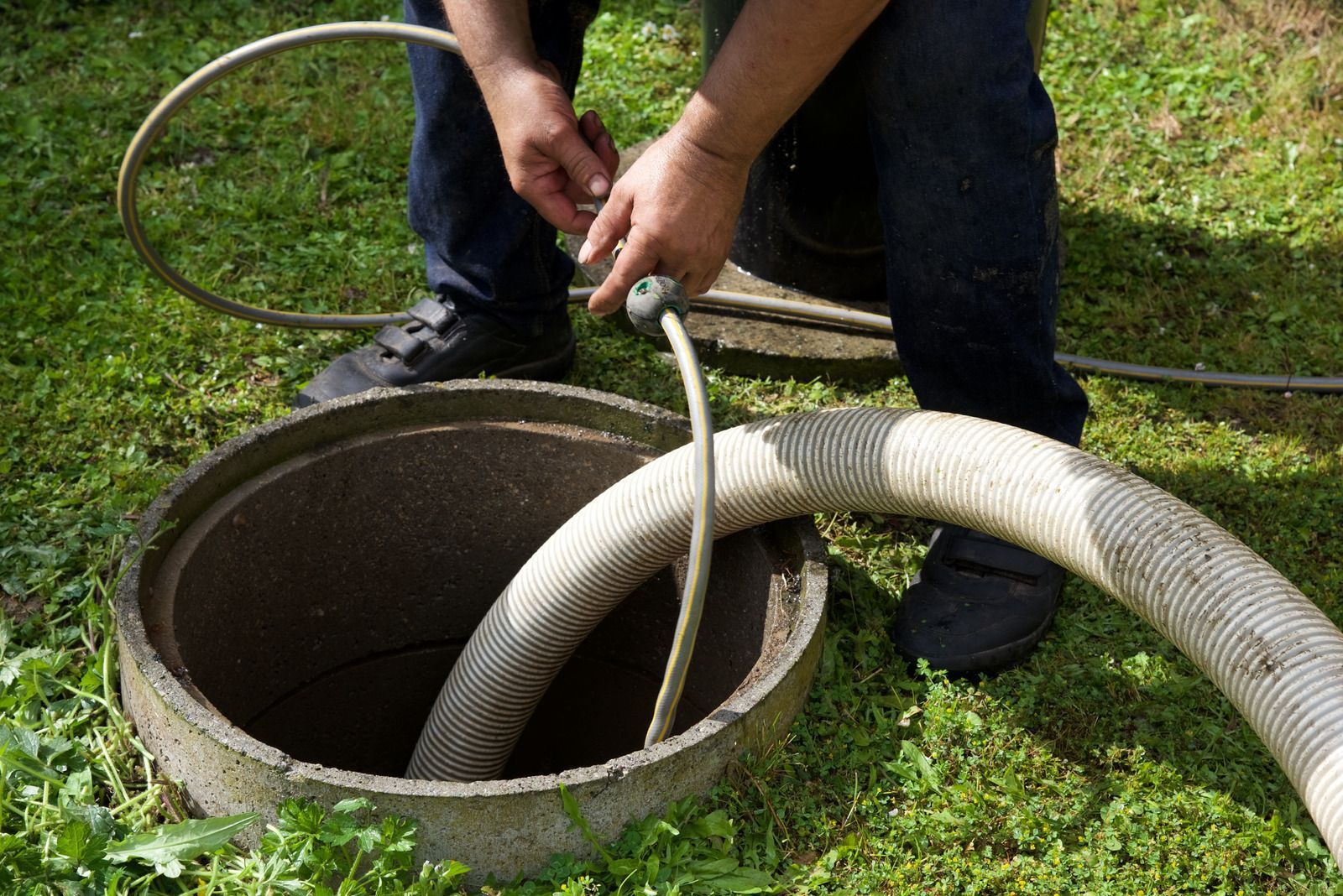
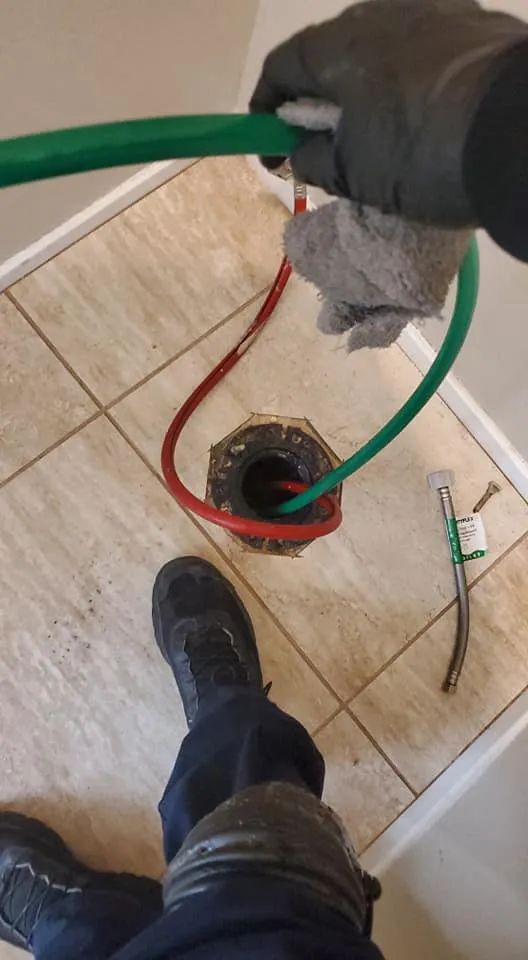
A drain snake, or auger, is a long flexible cable with a cutting or corkscrew head that a technician feeds down the pipe until it reaches the obstruction. The head spins, and it either breaks the clog apart or hooks it so it can be pulled back out. When water starts moving again, the immediate problem is solved and the sink drains.
A cable bores a channel, it does not scrub the wall
A drain snake creates an opening through the center of a blockage, allowing water to flow again. However, it does not remove grease, scale, or residue coating the entire pipe interior, leaving the cause behind.
That is why relief is measured in weeks
Since residue remains on the pipe walls, it continues collecting food particles, grease, and debris. The opening created by snaking gradually closes again, causing another slowdown. Hydro jetting removes buildup instead of only creating temporary flow.
Why the Clog Comes Back So Fast
Kitchen drains deal with the two things pipes hate most: grease and minerals. Understanding what each one does explains why the return is so quick.
Grease never really rinses away
Hot water and dish soap may move grease temporarily, but it cools inside pipes and hardens on the walls. Grease combines with minerals to form a waxy coating that drain snakes cannot remove, causing repeated blockages.
Soap scum and food film build the base layer
Dish soap residue, starch, coffee grounds, and food particles attach to existing grease inside pipes. Over time, these materials create thicker buildup. Since snaking leaves the coating behind, new debris quickly sticks and rebuilds the clog.
Hard-water scale does the rest
Hard water adds calcium and magnesium deposits inside pipes, creating a rough mineral layer. That scale traps grease and food particles, making buildup worse. In mineral-rich areas, this hardened coating can quickly restore recurring drain problems.
Tip:
You can slow the rebuild between professional cleanings by never pouring cooking grease, bacon fat, or oil down the sink, and by scraping plates and pans into the trash before rinsing. Running cold water while the disposal runs helps solids move through as chunks instead of smearing, though it will not remove a coating that is already on the wall.
The Hard-Water Angle Most Homeowners Miss
If you moved here from a place with soft water, your kitchen drain is behaving very differently than it used to, and the mineral content is the reason. Scale does not just sit in the pipe as a harmless dusting. It forms a gritty, porous crust on the pipe wall, and that texture is the perfect anchor for grease and soap film to stick to. A smooth pipe sheds some of what runs through it. A scaled pipe holds onto it.
Scale narrows the pipe before grease even arrives
Mineral deposits gradually shrink the open space inside pipes, reducing water flow before grease buildup begins. The rough scaled surface then traps fats and debris, causing recurring clogs that return faster than they would in softer water areas.
Older valley plumbing compounds it
Many older homes have cast iron drain lines with naturally rough interiors that collect buildup easily. Years of mineral scale and grease create a stubborn coating, making repeated snaking less effective because the pipe keeps attracting new debris.
How to Tell Ordinary Buildup From a Deeper Problem
Not every fast-returning clog is only grease and scale. The pattern of the return tells a technician where to look.
Watch the timing and the reach
A sink that slows again within weeks after snaking usually indicates buildup in the kitchen branch line. Immediate backups, multiple slow fixtures, or gurgling sounds may point to deeper shared line issues requiring further diagnosis.
A camera settles the question
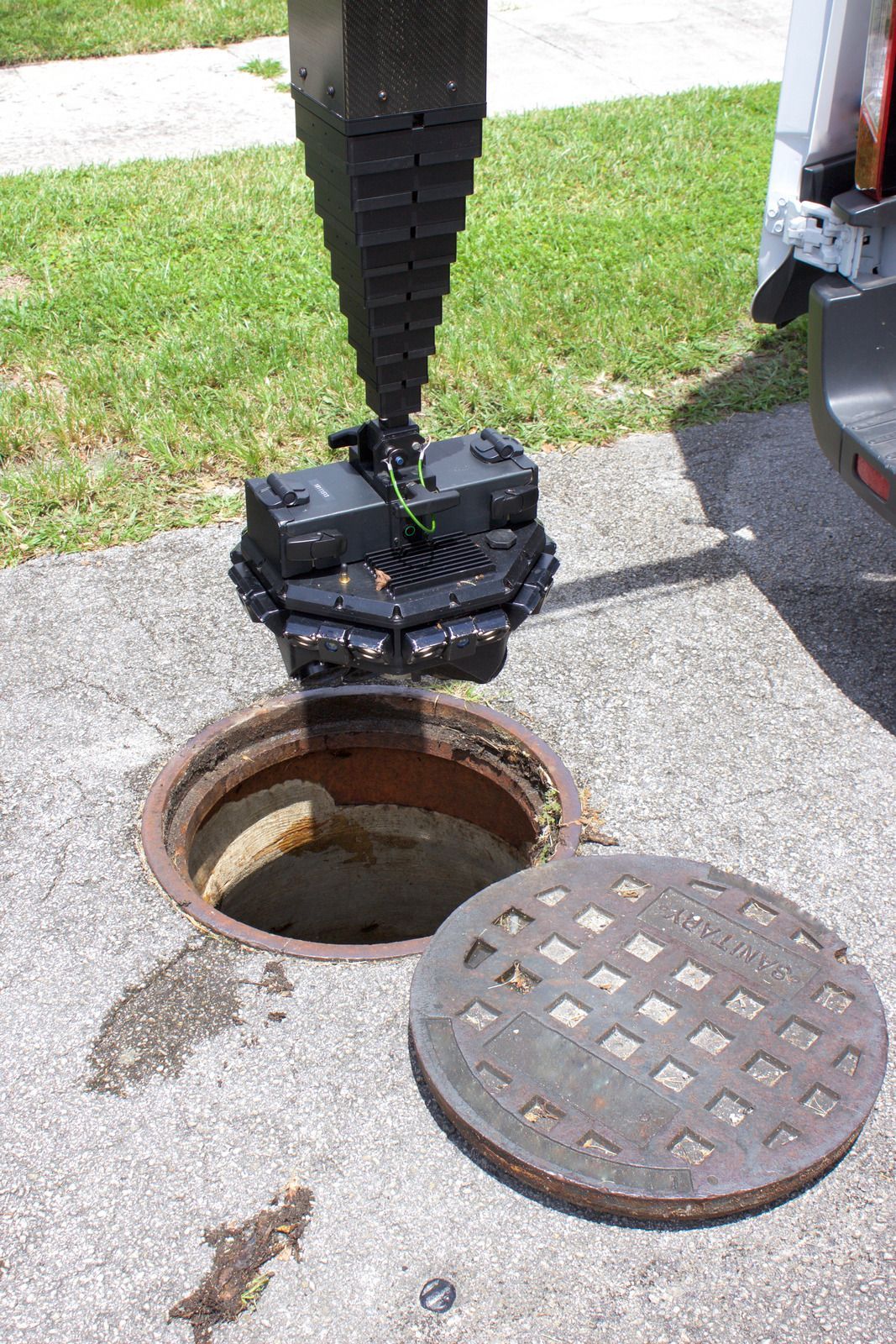
A sewer camera inspection reveals whether the problem is grease, mineral scale, roots, or pipe damage. This clear view helps determine whether the line needs deep cleaning or repairs, preventing unnecessary work and identifying the correct solution.
Warning: Reaching for a store-bought chemical drain cleaner when the sink slows again is a bad trade. Those products rarely remove a hardened grease and scale coating, they can sit against fittings and older pipe long enough to do damage, and they leave a caustic slug of water for whoever opens the line next. They treat the symptom for a day or two while the coating on the wall keeps growing.
Why Hydro Jetting Breaks the Cycle
The reason a cable keeps failing on a kitchen line is that it was never designed to clean the pipe wall. Removing the coating takes a completely different approach.
High-pressure water scours the full circle of the pipe
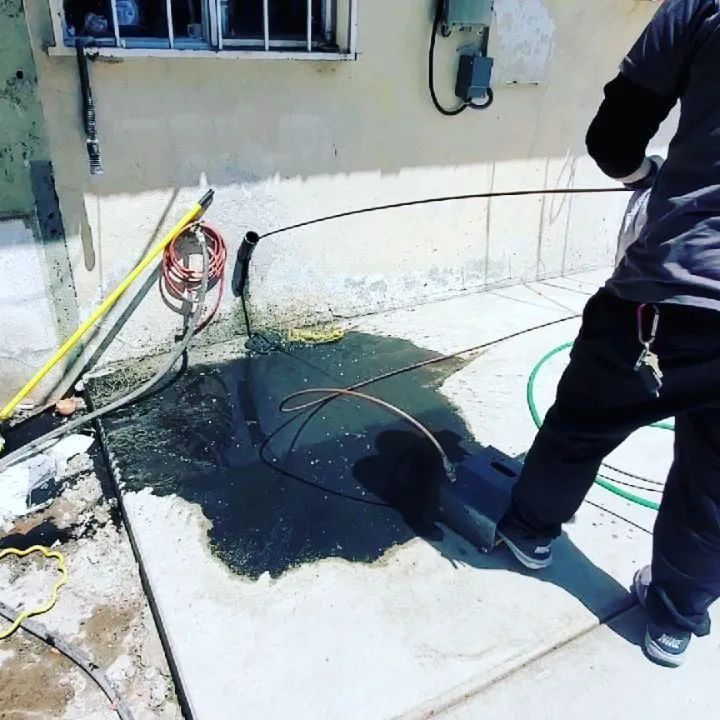
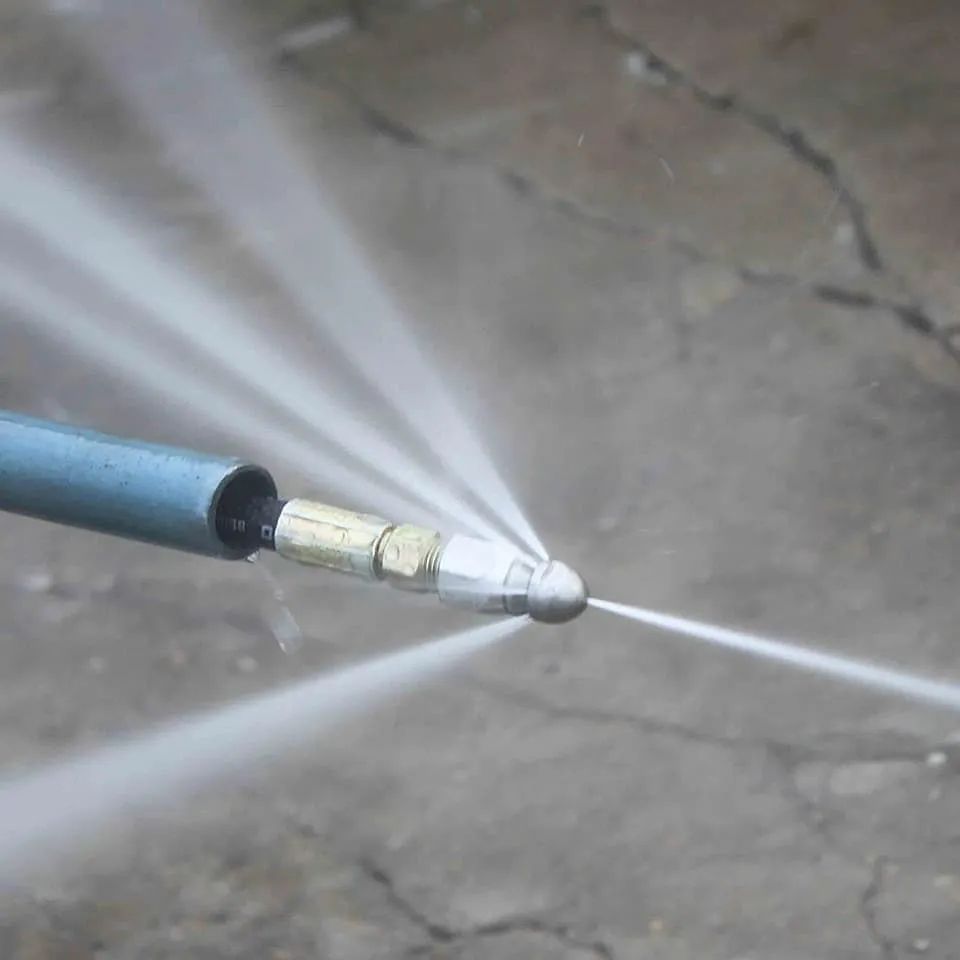
Hydro jetting uses specialized nozzles to spray powerful water streams through the pipe, removing grease, scale, soap scum, and food buildup. Unlike snaking, it cleans the entire interior surface and restores more open flow throughout the line.
That is what makes it last
Because hydro jetting removes the coating instead of creating a temporary opening, debris has less to cling to. A properly cleaned line can stay clear much longer, especially when combined with good drain habits and proper pipe care.
Frequently Asked Questions
Why does my kitchen sink drain slow again so soon after it was snaked?
A snake usually creates a path through the clog but does not remove pipe wall buildup. Grease, soap residue, and scale remain behind, catching debris and causing the blockage to return quickly.
Did the plumber do something wrong if the clog came back?
Not always. Snaking works well for restoring flow, but it cannot scrub away heavy grease or mineral buildup. A recurring clog often means the pipe needs deeper cleaning rather than another standard snaking service.
Does hot water and dish soap clear grease out of the pipe?
No. Hot water may move grease temporarily, but it cools and sticks inside the pipe. Soap and water cannot remove hardened grease layers, allowing buildup to continue and cause repeated kitchen sink drainage problems.
Why is this worse in a hard-water area?
Hard water leaves behind calcium and mineral scale inside pipes. This rough coating traps grease and food particles, narrowing the line and creating the perfect surface for recurring clogs after standard drain snaking.
How can I tell if it is just buildup or a bigger problem?
A sink slowing again within weeks usually points to buildup. Multiple slow fixtures, gurgling sounds, or quick backups may indicate deeper issues. A camera inspection reveals the exact condition inside the pipe.
How long does hydro jetting keep the line clear compared with snaking?
Hydro jetting removes buildup from the entire pipe wall, helping lines stay clear longer. Snaking only opens a passage through debris, so recurring clogs can return faster when grease and scale remain inside.
Getting the Kitchen Line to Stay Clear
A kitchen sink that slows down again weeks after a snaking is not a fluke and not a failure on your part. It is the predictable result of a cable that reopens flow while leaving the grease, soap film, and hard-water scale bonded to the pipe wall, where it immediately starts rebuilding the clog. In a valley with some of the hardest water in the country and plenty of older cast iron plumbing, that coating comes back fast. Snaking it again just resets the same clock. The way off that treadmill is to see what is actually on the pipe wall and then strip the whole coating out, so the line runs at its full diameter instead of through a temporary hole.
Schedule a diagnostic camera inspection and
hydro jetting
— If your kitchen sink keeps slowing down within weeks of every snaking, the grease and hard-water scale coating your pipe wall was never removed, and it is rebuilding the clog on repeat. Advanced Drain Jetting LLC
has 20
years of experience serving Las Vegas, Nevada, using sewer cameras to show exactly what is happening inside your line before applying high-pressure hydro jetting to scour the full pipe wall clean rather than punching another temporary hole through the blockage. With pressure matched to your pipe’s condition and service backed by a fully licensed and insured team, we clear the cause so your drain stays open longer. Reach out to book your inspection and break the cycle for good.