
Signs Your Home Needs Professional Drain Cleaning Before It’s Too Late
Household plumbing systems often operate quietly in the background, yet the condition of your drains plays a critical role in maintaining sanitation, water flow efficiency, and long-term structural health. Over time, everyday activities such as washing dishes, showering, laundry, and food preparation send grease, soap residue, hair, and organic waste into drain lines. While many homeowners assume slow drainage or mild odors are minor inconveniences, these are often early warning signs of deeper blockages developing inside the system. Ignoring these symptoms can lead to expensive pipe repairs, recurring backups, or full-scale wastewater overflows that disrupt daily routines and create hazardous living conditions.
Within the plumbing industry, professional drain cleaning is recognized as a preventative service rather than a reactive solution only used during emergencies. The goal is not just to clear visible clogs, but to remove buildup that forms along pipe interiors and gradually restricts flow. Understanding the signs that indicate a need for timely maintenance helps homeowners avoid sudden failures and unnecessary stress. This blog explores the most important indicators that professional drain cleaning should be scheduled before small issues escalate, while also highlighting practical examples, expert insights, and best practices that support long-term system reliability.
1. Slow-Moving Drains Across Multiple Fixtures
Why Reduced Water Flow Signals Internal Blockage
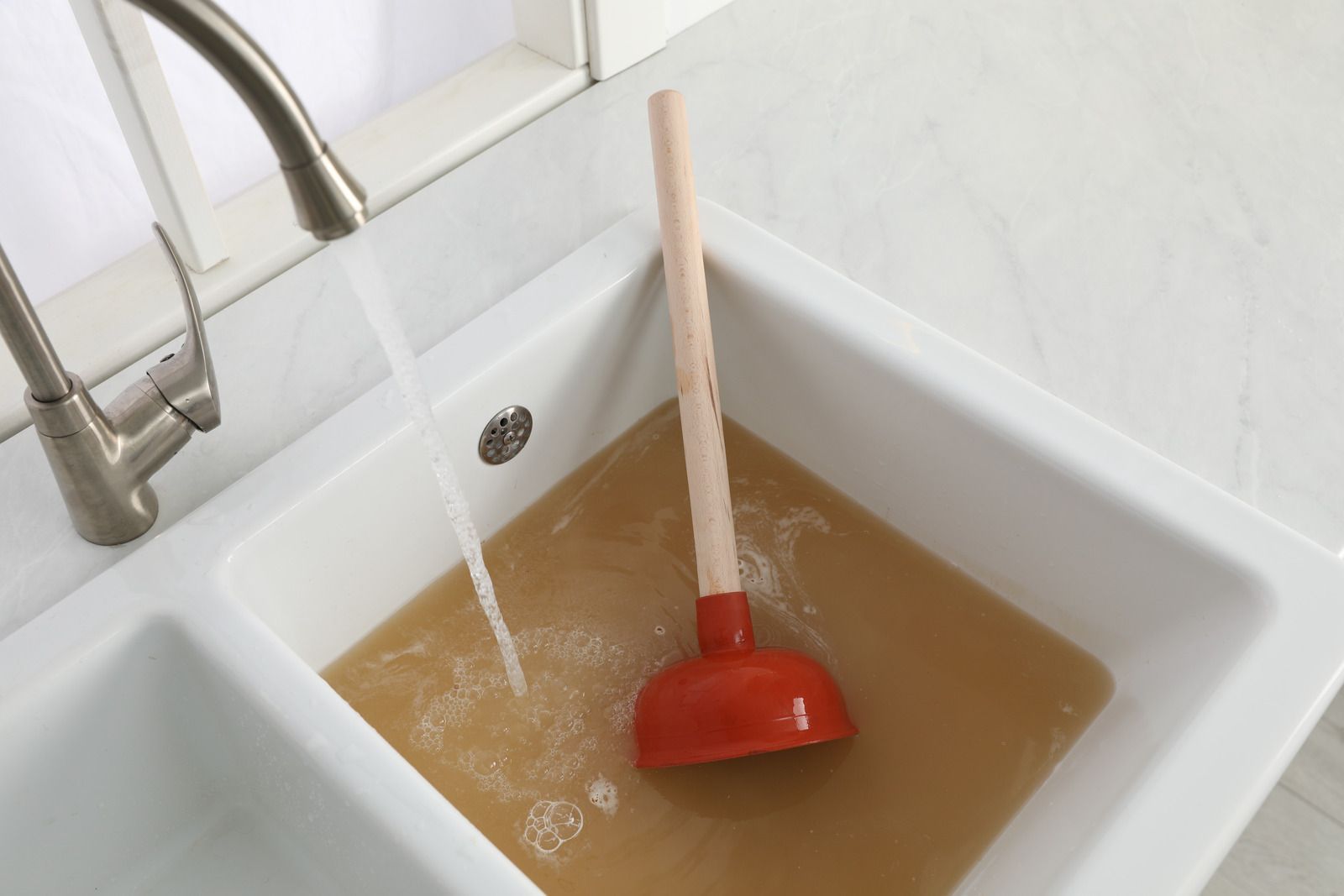
One of the most common and easily overlooked indicators that a home may require professional drain cleaning is consistently slow-moving water in sinks, showers, or bathtubs. While an individual fixture may occasionally slow due to trapped debris, widespread sluggish drainage usually signals that buildup has accumulated deeper inside branch lines or the main sewer line. Industry professionals often attribute this to gradual narrowing of pipe interiors caused by grease deposits, mineral scale, and organic residue that cannot be removed through basic plunging or store-bought cleaners.
When drains slow progressively rather than suddenly, it is typically a sign that obstructions have been forming over an extended period. Water begins to linger in sinks or pool around shower drains after each use, and homeowners may notice that the issue worsens during periods of high water usage. Early intervention at this stage can prevent full blockages that cut off drainage completely, helping avoid emergency service calls and unexpected property disruption.
Real-World Scenario and Best Practice Response
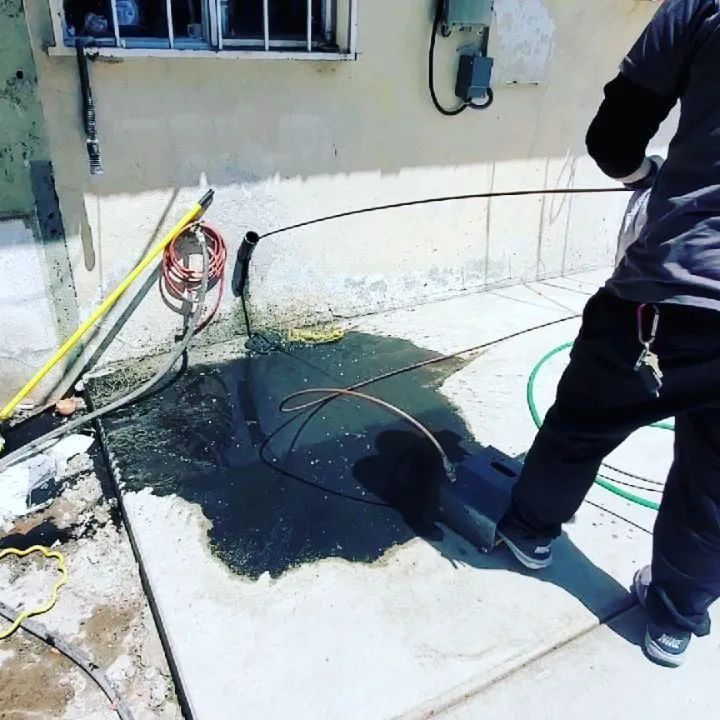
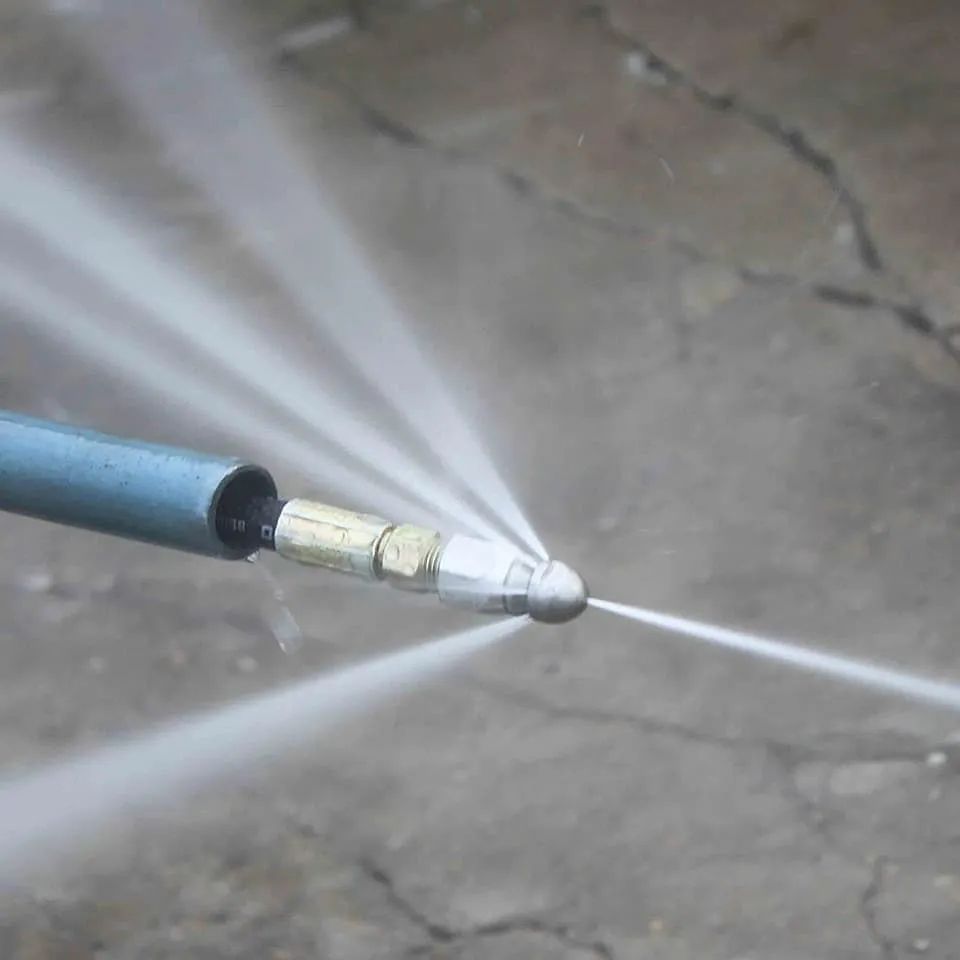
In many residential settings, families first notice slow drains in kitchen sinks due to grease accumulation and food particles that have adhered to the pipe walls. Rather than treating this as a minor inconvenience, scheduling professional hydro-jetting or mechanical cleaning allows technicians to fully clear deposits along the line, restoring optimal flow and reducing the likelihood of recurring clogs.
2. Frequent Clogs and Recurring Backup Problems
Why Repeated Blockages Indicate a Deeper Issue
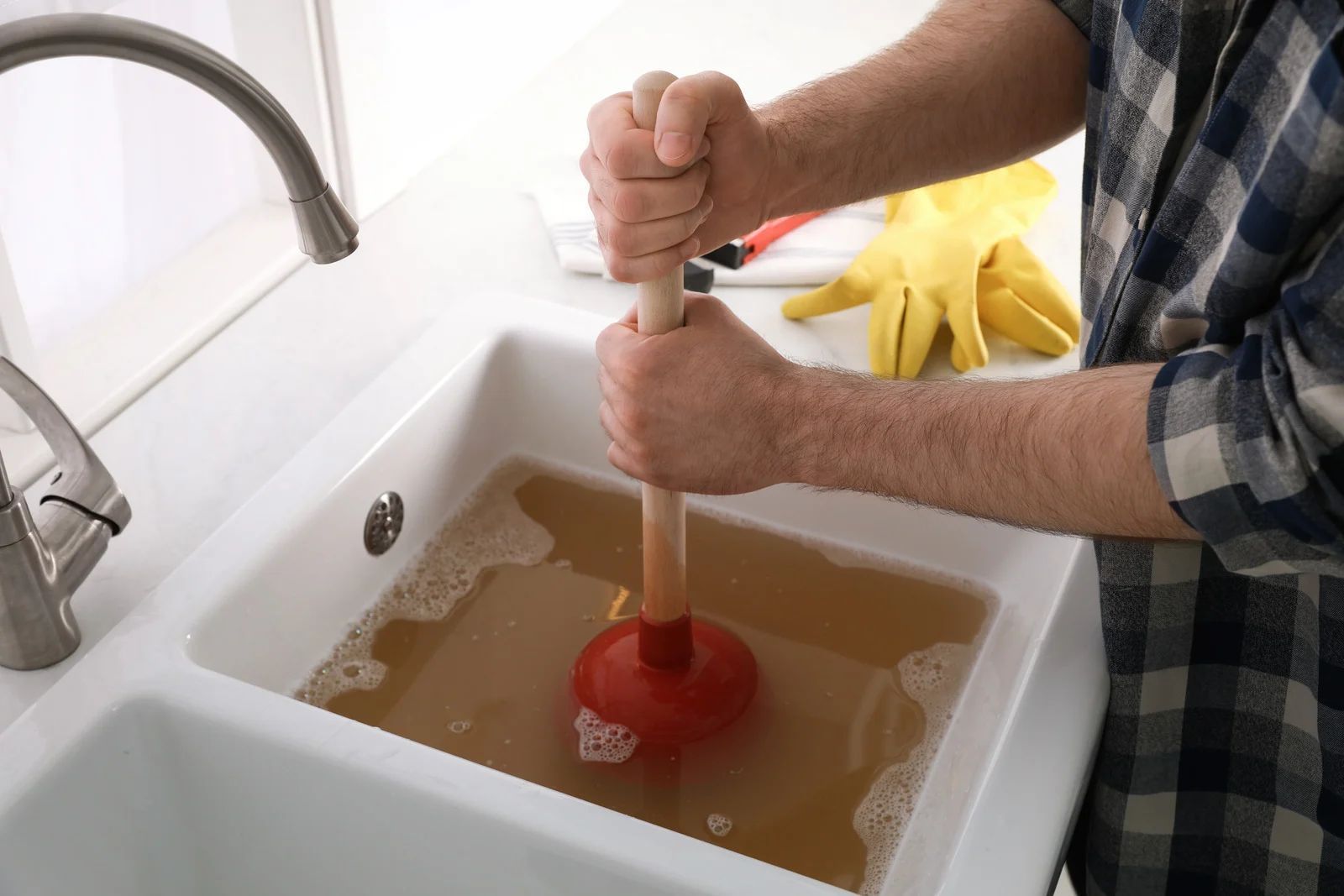
Occasional clogs can occur in any household, but when blockages return repeatedly even after plunging or temporary DIY solutions, it often indicates that the underlying cause has not been resolved. Recurring clogs typically develop when dense residue, soap scum, or intrusive tree roots restrict water movement within underground or interior piping. As water attempts to push past the obstruction, loose material collects and causes backups that reappear in the same locations.
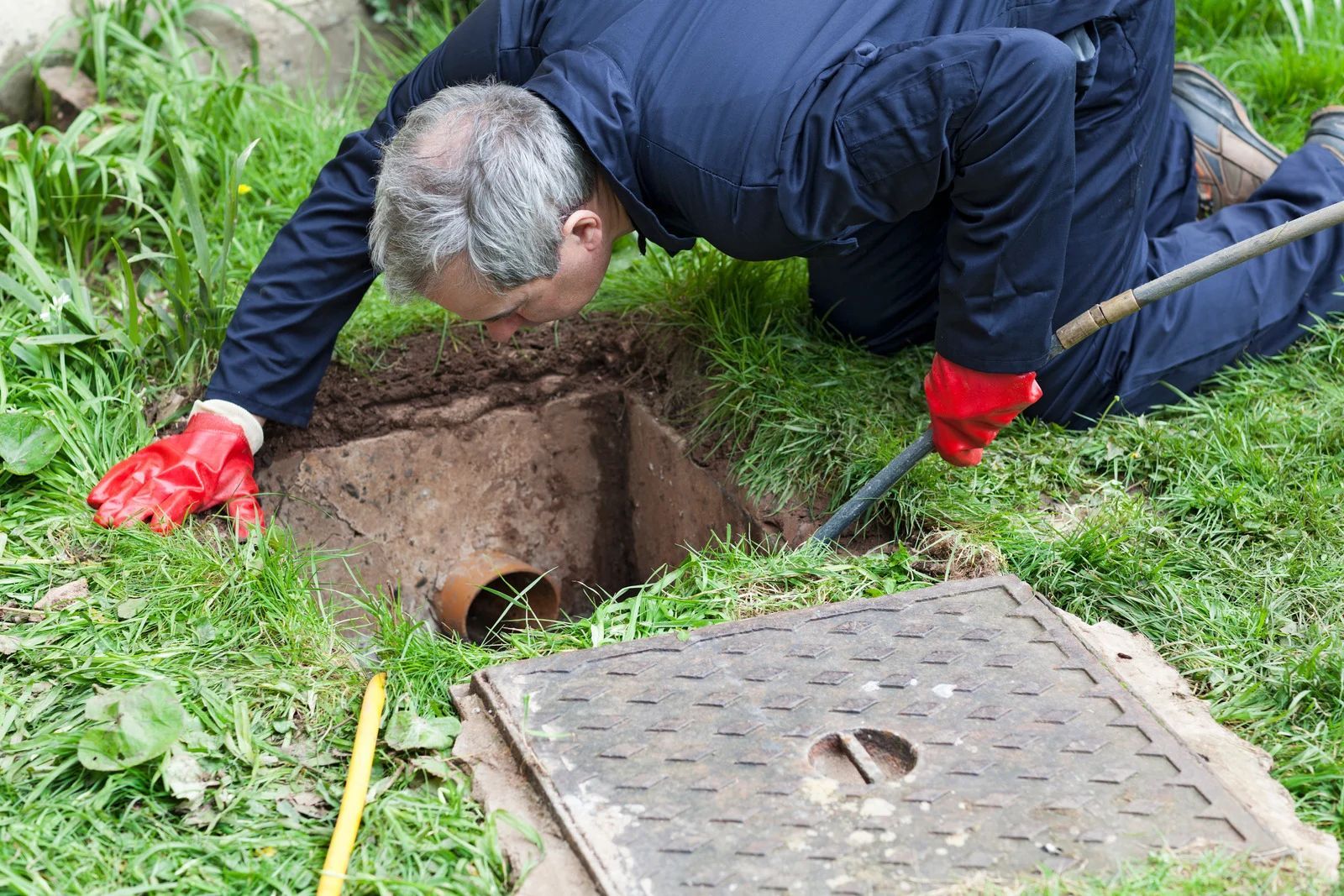
Plumbing experts emphasize that frequent clogs are not a surface-level issue but a structural flow problem within the drainage network. Chemical drain cleaners may appear to provide short-term relief, but they rarely remove embedded buildup and can even damage pipe materials over time. Professional drain cleaning uses specialized equipment designed to clear entire line segments, not just isolated blockage points, ensuring a more permanent and protective maintenance outcome.
Challenges and Long-Term Impacts if Ignored
Recurring backups do more than disrupt daily convenience. They increase strain on aging pipes, elevate the risk of leaks, and can trigger wastewater intrusion into flooring or cabinetry. Addressing the problem promptly helps homeowners protect property value, maintain sanitation, and avoid escalating repair costs that often arise when systems are forced to operate under recurring stress conditions.
3. Unpleasant Drain Odors and Strong Sewer Smells
Odor as an Indicator of Bacterial Growth and Waste Accumulation
Persistent sewer-like odors emerging from drains or plumbing fixtures are another strong indicator that professional cleaning may be required. These odors rarely originate at the surface; instead, they develop when organic waste, grease residue, and stagnant water remain trapped in drain lines, creating an environment conducive to bacterial growth. Over time, gases from decomposing materials travel back up through the pipes and enter interior living spaces.
Homeowners sometimes attempt to mask these odors with fragrances or sink fresheners, but doing so fails to eliminate the source. From an industry standpoint, foul odors represent a functional warning sign—a reminder that drain interiors require deep cleaning to remove decayed buildup and restore hygienic conditions. Professional techniques such as high-pressure jetting and mechanical descaling not only remove odors but also help inhibit further microbial accumulation.
Health and Comfort Considerations
Beyond discomfort, persistent drain odors can affect indoor air quality and may indicate that wastewater is not flowing efficiently through the system. Treating odor as a maintenance priority allows homeowners to maintain healthier living conditions while ensuring that drainage performance meets expected standards of cleanliness and reliability.
4. Gurgling Noises, Air Bubbles, and Unusual Pipe Sounds
What Strange Sounds Reveal About Flow Restrictions
Gurgling noises, bubbling sounds in toilets, and air displacement within pipes often signal developing flow blockages or ventilation imbalances within the drainage system. These sounds occur when trapped air becomes compressed inside narrowing pipe sections and is forced upward as water attempts to pass through obstructed areas. Rather than dismissing these noises as harmless, plumbing professionals view them as early-stage indicators that pressure imbalances and partial blockages are present.
If left unresolved, trapped air pockets can place additional stress on pipes and lead to more disruptive backup events. Homeowners may also observe water rising in one fixture while draining in another—another sign that airflow is being obstructed and the system is struggling to manage pressure distribution. Scheduling drain cleaning during this stage allows technicians to relieve internal line restrictions before more severe blockages develop.
Preventative Insight and Maintenance Value
Addressing gurgling drains promptly supports the long-term stability of the plumbing network. By restoring smooth water flow and proper venting, professional cleaning helps preserve pipe integrity and ensures that internal pressure remains balanced across all connected fixtures.
5. Water Stains, Damp Areas, and Unexpected Moisture Around Drains
Moisture as Evidence of Hidden Drainage Problems
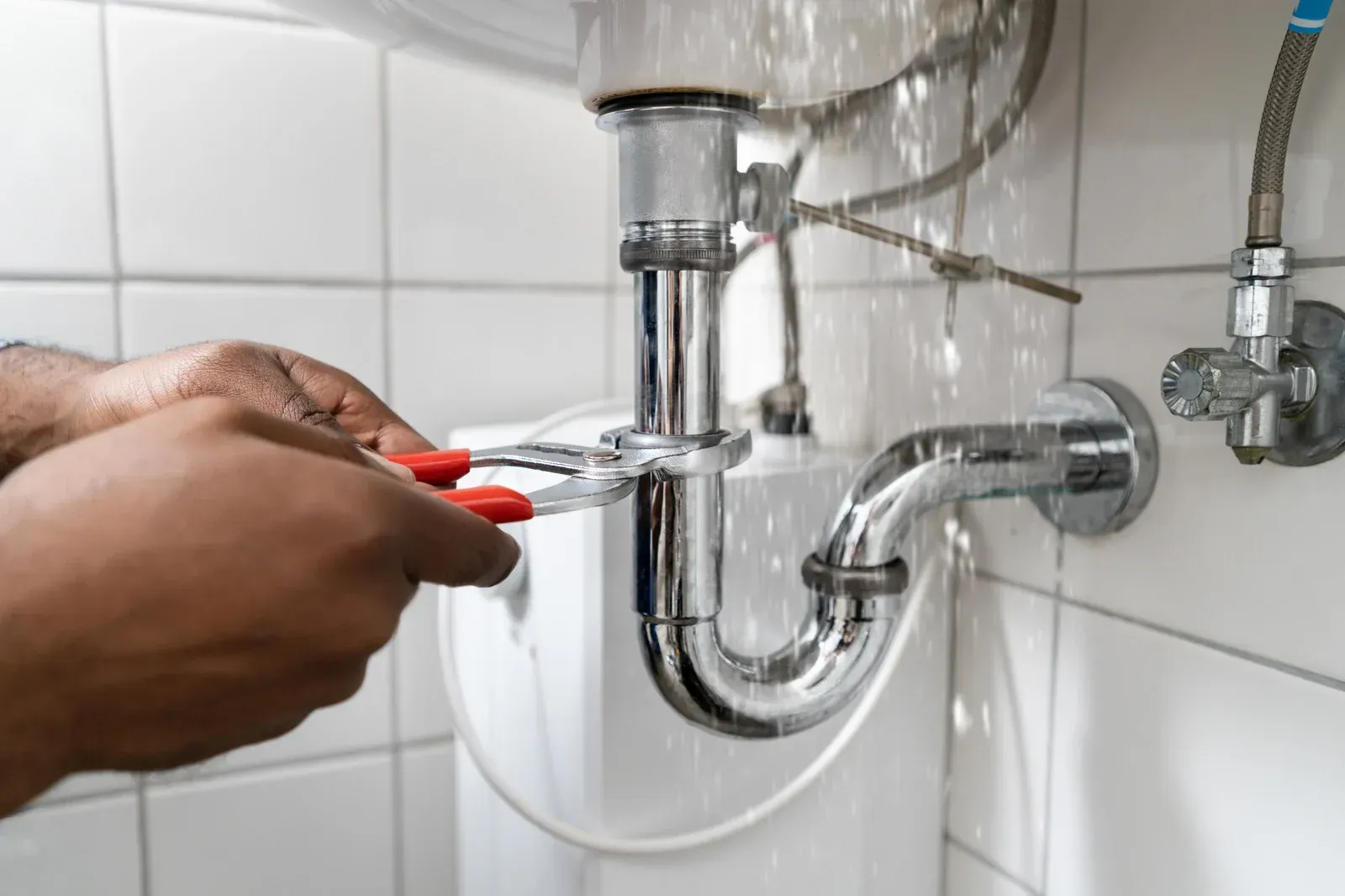
Visible moisture, unexplained damp spots near drains, or staining around floor edges can indicate that internal clogs are forcing water to escape through weak points or minor leaks. While moisture does not always originate from visible pipe failures, pressure buildup from blocked drains can cause small openings to expand and allow water to seep into surrounding materials.
This type of issue is particularly concerning because it often progresses unnoticed until wall surfaces, cabinetry, or flooring begin to show signs of deterioration. Professionals recommend treating unexplained moisture near drain entry points as a system warning and arranging a comprehensive inspection that includes drain cleaning where necessary.
Structural and Cost-Related Risks
When moisture damage progresses, it can compromise structural materials and lead to mold formation, both of which significantly increase restoration costs. Preventative professional cleaning helps reduce internal pressure and allows systems to operate safely, protecting both property condition and long-term investment value.
6. Preventive Maintenance Mindset — Why Early Action Matters
The Role of Professional Drain Cleaning in System Longevity
Across the plumbing industry, proactive maintenance is consistently recognized as one of the most effective ways to extend pipe lifespan and avoid emergency failures. Professional drain cleaning removes buildup before it evolves into major obstructions, improves flow capacity, and minimizes the likelihood of disruptive backups. Rather than waiting for complete blockages or visible system distress, scheduling routine service helps homeowners maintain comfort, hygiene, and peace of mind.
Expert Reasoning and Homeowner Benefits
Timely intervention supports:
- Consistent drainage performance
- Reduced wear on aging pipes
- Lower long-term repair and replacement costs
- A cleaner and more sanitary household environment
By recognizing early warning signs and responding with professional support, homeowners strengthen both the functionality and resilience of their plumbing infrastructure.
The signs that a home needs professional drain cleaning rarely appear suddenly; instead, they develop gradually through slow drainage, recurring clogs, gurgling sounds, unpleasant odors, or unexpected moisture around fixtures. Each of these indicators reflects a deeper issue within the drainage network that cannot be fully resolved through surface-level or temporary DIY methods. Taking action before blockages escalate not only protects household comfort but also safeguards structural materials, indoor hygiene, and long-term system reliability. Proactive drain maintenance is an investment in both safety and value, ensuring that plumbing systems continue to support everyday living without disruption.
Expert Plumbing Maintenance Support You Can Rely On
For homeowners seeking a dependable and knowledgeable partner to handle complex or preventive drain cleaning needs, Advanced Drain Jetting LLC stands as a trusted expert resource in Las Vegas, Nevada. With 20 years of hands-on industry experience, the company has built its reputation on delivering professional, results-driven solutions that prioritize safety, precision, and long-term system performance. Their team approaches every service call with a detailed understanding of drainage behavior, identifying underlying causes rather than providing short-term fixes. Through advanced cleaning technology, meticulous inspection processes, and a commitment to transparent communication, they help homeowners maintain efficient and reliable plumbing systems while minimizing the risk of costly emergencies. Whether addressing recurring clogs, restoring full flow capacity, or supporting routine maintenance programs, Advanced Drain Jetting LLC brings the expertise, technical proficiency, and customer-focused service that modern homeowners expect from a proven drainage specialist.